5-Days Jaipur, Kumbhalgarh & Udaipur Tour Package – Royal Heritage, Forts & Lakes
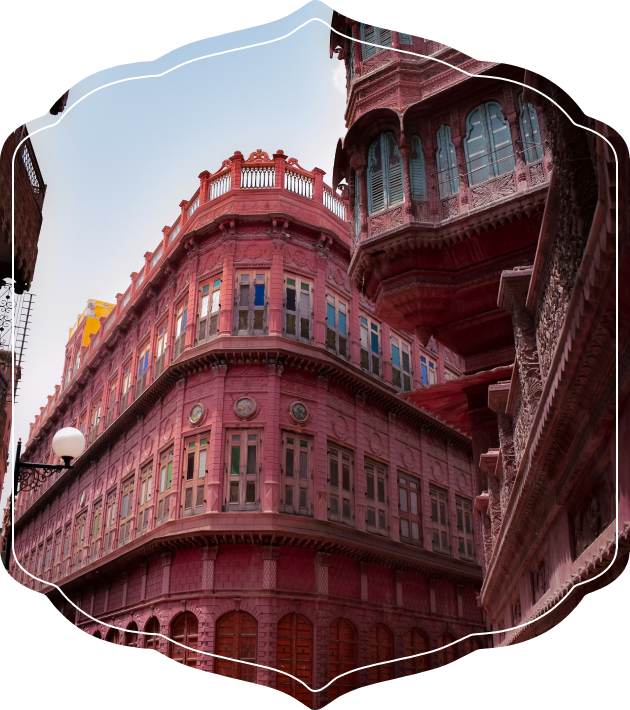
Discover the royal heritage and scenic beauty of Rajasthan with this 5 Days Jaipur, Kumbhalgarh & Udaipur Tour Package. Begin your journey in Jaipur, the Pink City, where magnificent attractions such as Amber Fort, City Palace, Hawa Mahal, and Jantar Mantar showcase the grandeur of Rajasthan’s royal past. Continue to Kumbhalgarh, home to the majestic Kumbhalgarh Fort, a UNESCO World Heritage Site famous for its massive fortification wall and breathtaking Aravalli views. End your tour in Udaipur, the enchanting City of Lakes, known for its stunning palaces, serene lakes, romantic atmosphere, and rich cultural heritage. Explore iconic attractions including City Palace, Lake Pichola, Jagdish Temple, and Saheliyon Ki Bari. Perfect for families, couples, and heritage enthusiasts, this carefully planned itinerary combines Rajasthan’s history, architecture, culture, and natural beauty, offering an unforgettable travel experience across three of the state’s most captivating destinations.
Day-by-Day Itinerary
Day 1 Arrival in Jaipur & Evening Exploration
We’ll pick you up from Jaipur Airport or Railway Station and transfer you to your hotel. After a short refreshment, begin your evening sightseeing tour of the Pink City.
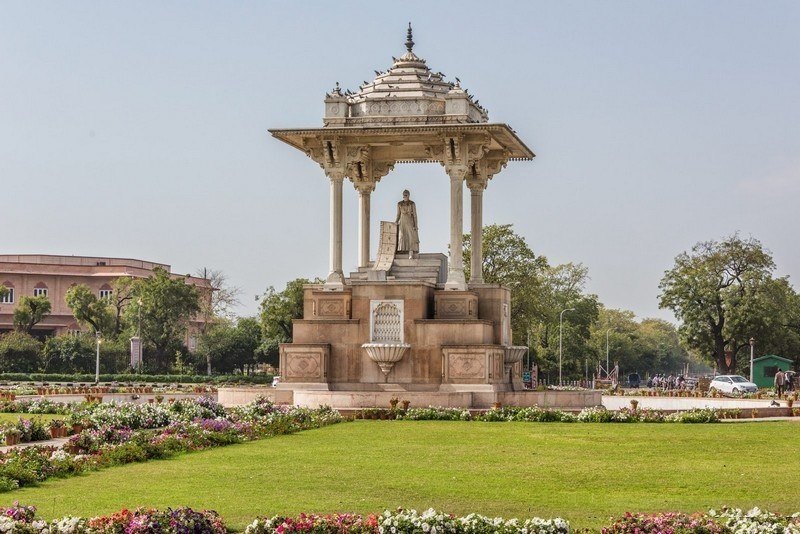
Statue Circle
Jaipur's most recognisable modern landmark, Statue Circle is a grand rotary centred around a gleaming white marble statue of Maharaja Sawai Jai Singh II — the city's visionary founder. Beautifully illuminated after sunset and ringed by manicured lawns, it serves as a popular evening gathering spot and an elegant first introduction to the spirit of Jaipur.
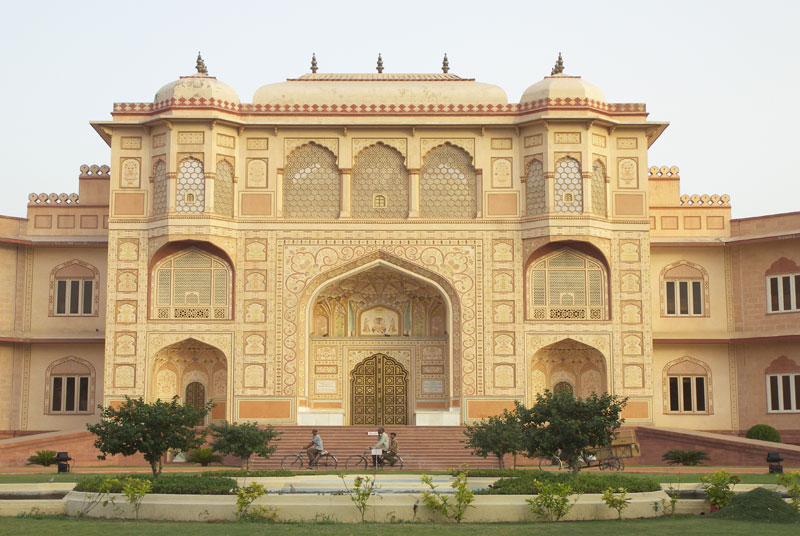
Birla Auditorium & Planetarium
Located near Statue Circle, the Birla Auditorium is one of Jaipur's premier venues for concerts, cultural performances, and public events. Adjacent to it, the Birla Planetarium offers engaging astronomy shows and space science exhibitions — a wonderful, educational evening activity especially suited for families, students, and curious minds of all ages.
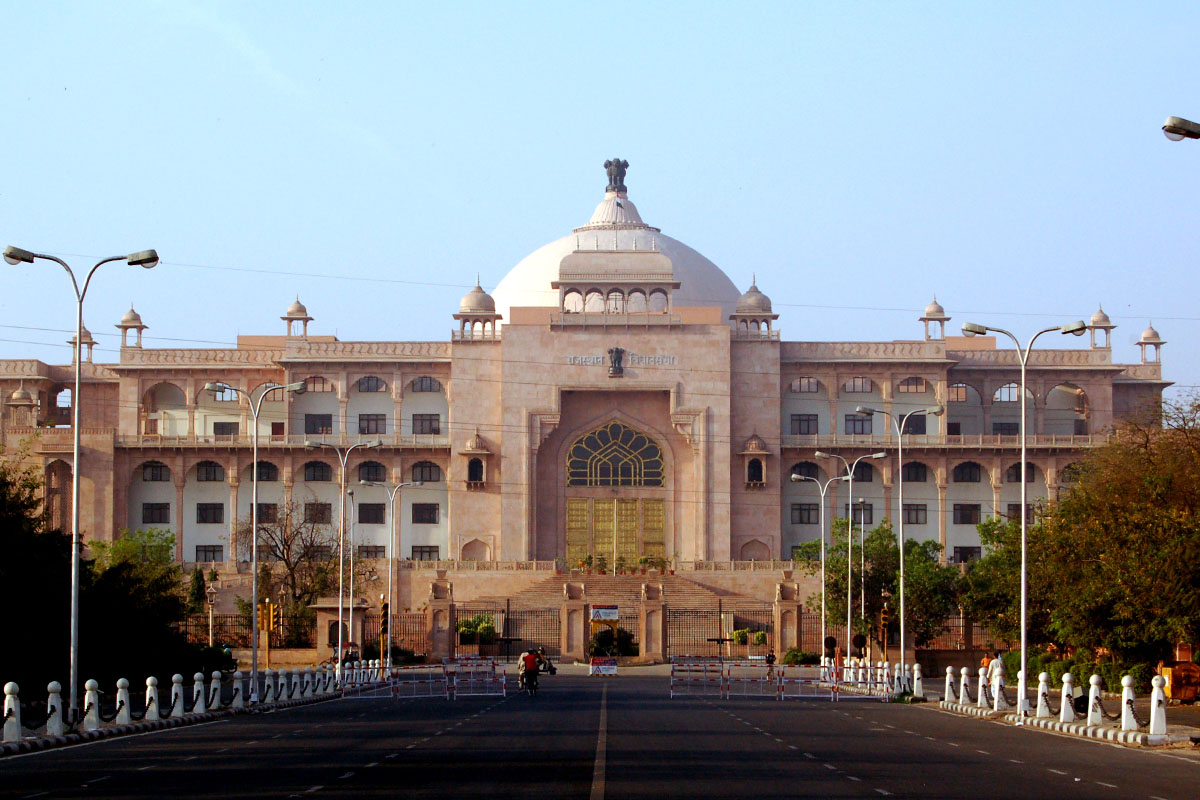
New Vidhan Sabha
Rajasthan's state legislative assembly building is an impressive example of contemporary Indian civic architecture that draws on traditional Rajput and Mughal design vocabulary. The distinctive circular sandstone-toned structure and its surrounding formal gardens are particularly striking and photogenic when illuminated during the evening hours.
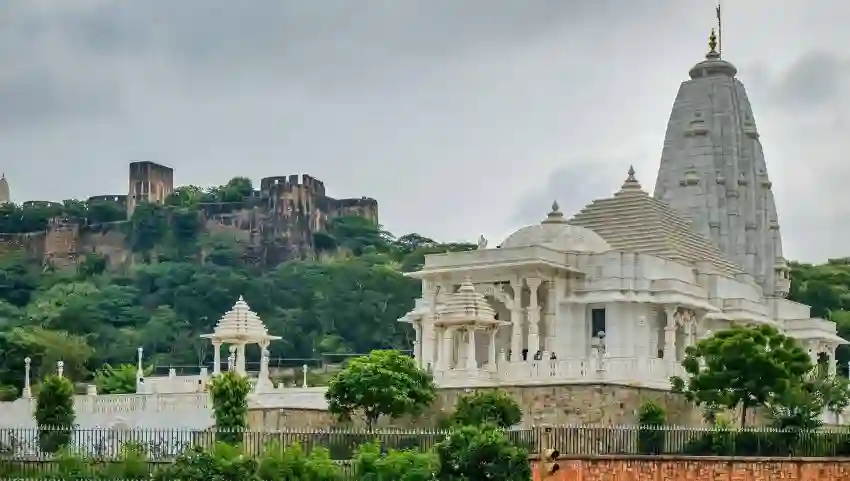
Birla Mandir
Constructed from gleaming white Makrana marble at the foot of Moti Doongri hill, this modern temple is dedicated to Lord Vishnu and Goddess Lakshmi. Its marble panels carry carvings from Hindu scriptures alongside quotes from world spiritual traditions, giving it a beautifully inclusive character. Most serene and beautiful when lit up in the evening — the perfect quiet close to your first day in Jaipur.
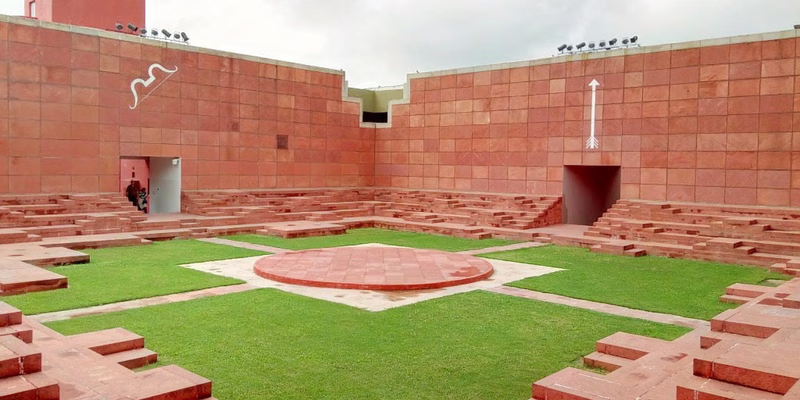
Jawahar Kala Kendra
Designed by the celebrated architect Charles Correa and inaugurated in 1993, Jawahar Kala Kendra is Rajasthan's foremost centre for arts, culture, and creative expression. Its bold architectural concept is derived from the ancient nine-square Navagraha mandala that inspired Jaipur's original city grid. The centre hosts year-round art exhibitions, theatre performances, craft fairs, and cultural festivals — a must for art lovers arriving in Jaipur.
Stay overnight in Jaipur
Day 2 Jaipur Full-Day City Tour
After breakfast, get ready to explore the Pink City and visit the following places:
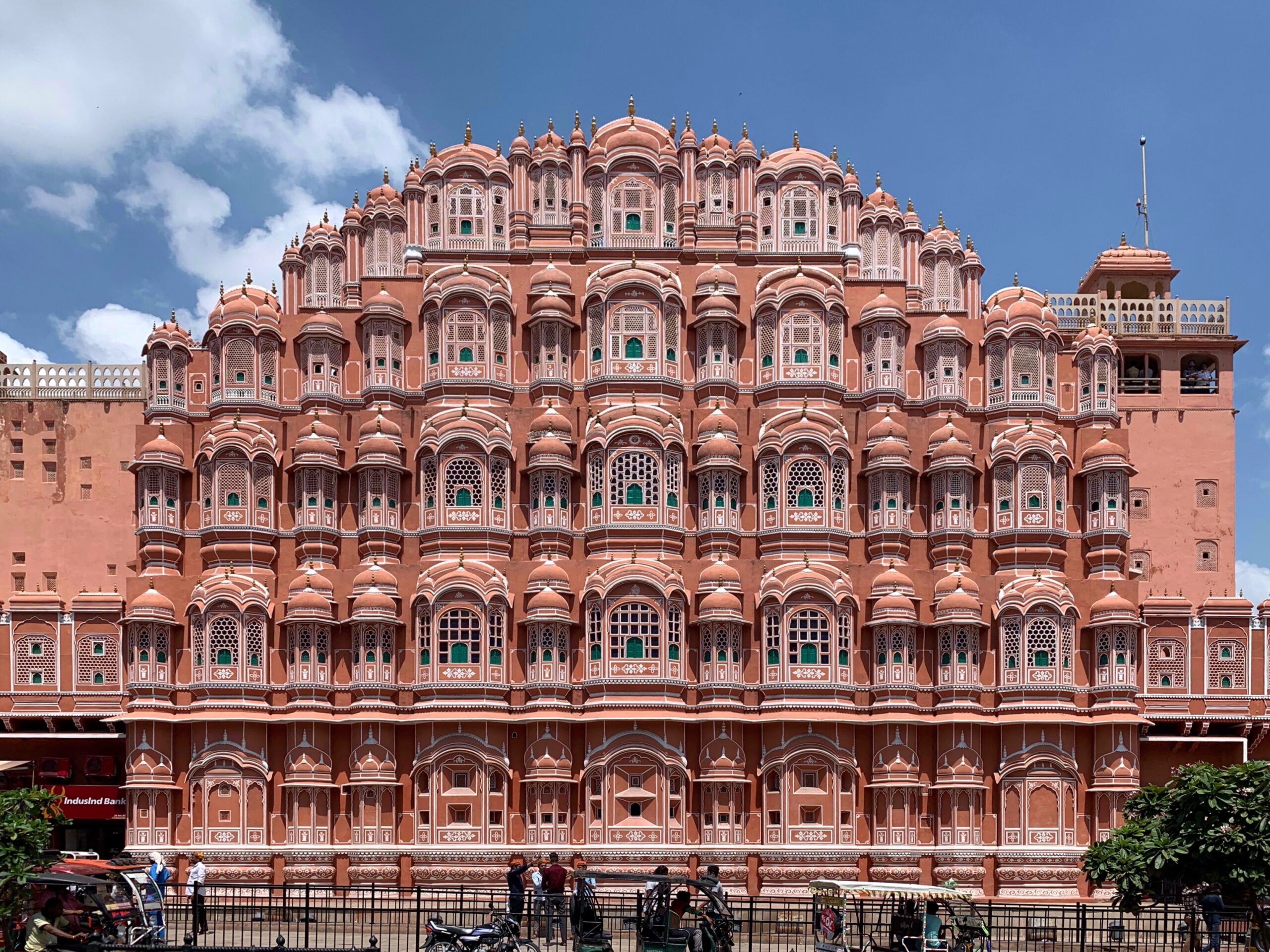
Hawa Mahal
Built in 1799 CE by Maharaja Sawai Pratap Singh, the Palace of Winds is Jaipur's most instantly recognised landmark. Its remarkable five-storey pink sandstone facade features 953 intricately designed jharokhas (latticed windows) that allowed royal ladies to observe street life while remaining unseen. The internal structure is a honeycomb of small chambers and sloping ramps. Best admired from the road facing its ornate exterior in the clear morning light.
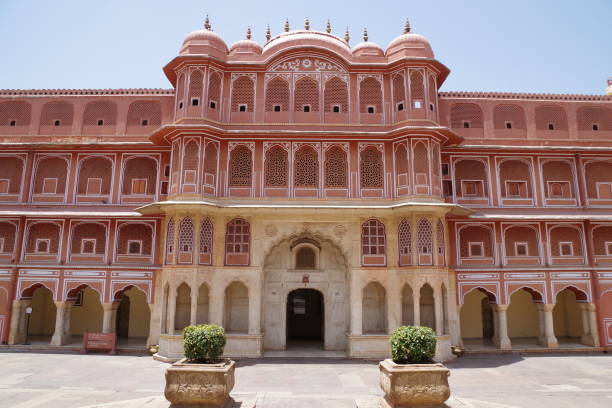
City Palace, Jaipur
At the heart of Jaipur's walled old city, the City Palace complex was built by Maharaja Sawai Jai Singh II and extended by successive rulers. Its elegant Chandra Mahal (still the residence of the Jaipur royal family), Mubarak Mahal, and Diwan-e-Khas house treasured collections of royal textiles, armour, ceremonial palanquins, and exquisite Rajput-Mughal miniature paintings — a living centre of Jaipur's royal heritage.
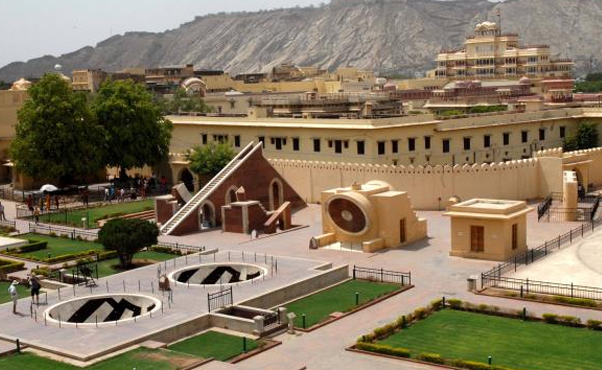
Jantar Mantar
A UNESCO World Heritage Site, Jantar Mantar is one of the world's most extraordinary astronomical observatories. Built by Maharaja Sawai Jai Singh II in 1724 CE, its 19 large-scale stone and marble instruments measure time, predict eclipses, and track celestial bodies with remarkable precision. The Samrat Yantra sundial — the world's largest — is accurate to within two seconds, a stunning achievement of 18th-century Indian scientific genius.
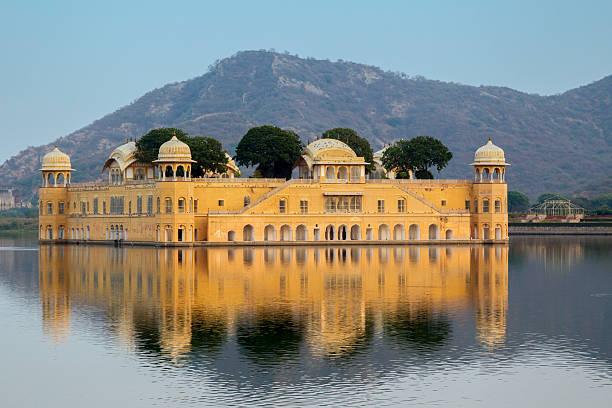
Jal Mahal
Floating serenely at the centre of Man Sagar Lake on the road to Amber, Jal Mahal (Water Palace) is one of Jaipur's most hauntingly beautiful sights. Built in the 18th century in a blend of Rajput and Mughal styles, four of its five storeys lie submerged beneath the lake's surface. The palace and its surrounding wetlands — rich with migratory birds — are best appreciated from the lakeside promenade, particularly glorious at dusk.
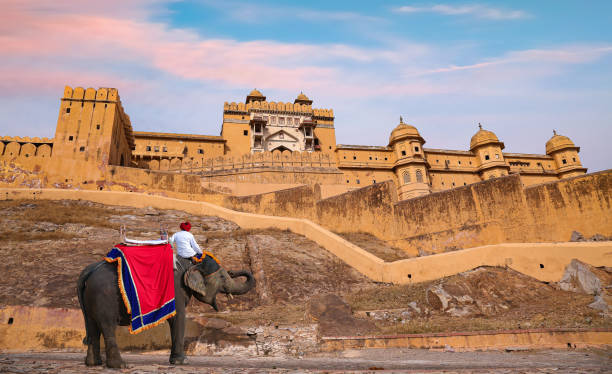
Amer Fort (Amber Fort)
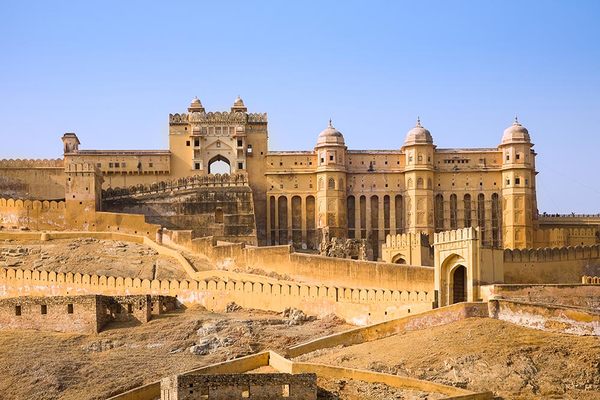
A UNESCO World Heritage Site and Jaipur's most celebrated monument, Amber Fort rises on a hillside above Maota Lake. Built by Raja Man Singh I in 1592 CE and expanded by his successors, this magnificent Rajput fort-palace is renowned for its Sheesh Mahal (Hall of Mirrors) whose thousands of inlaid mirror fragments create a breathtaking starlit effect, the ornate Ganesh Pol gateway, and the beautifully landscaped Mohan Bari gardens. One of Rajasthan's most rewarding heritage experiences.
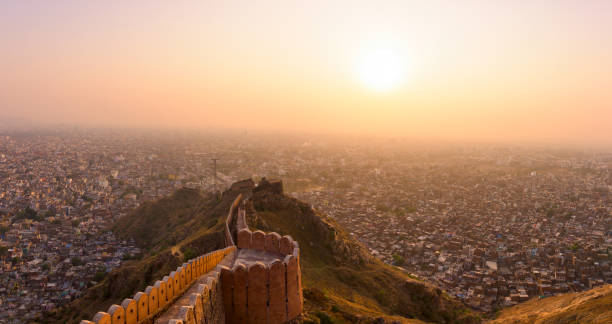
Nahargarh Fort
Perched on the rugged Aravalli ridge high above the Pink City, Nahargarh (Tiger Fort) was built in 1734 CE as a pleasure retreat and defensive watchtower. Its elevated hilltop position offers some of the finest panoramic views of Jaipur, the Amber Fort, and the plains stretching to the horizon — spectacular at sunset. The fort also houses a wax museum and a beloved rooftop café with sweeping city views.
Stay overnight in Jaipur
Day 3 Jaipur to Udaipur via Kumbhalgarh
After breakfast, depart for Udaipur and explore Kumbhalgarh en route, as you pass through the scenic Aravalli Hills filled with natural beauty and heritage.
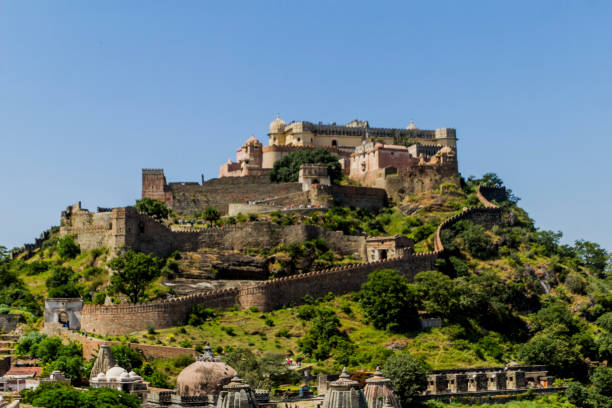
Kumbhalgarh Fort
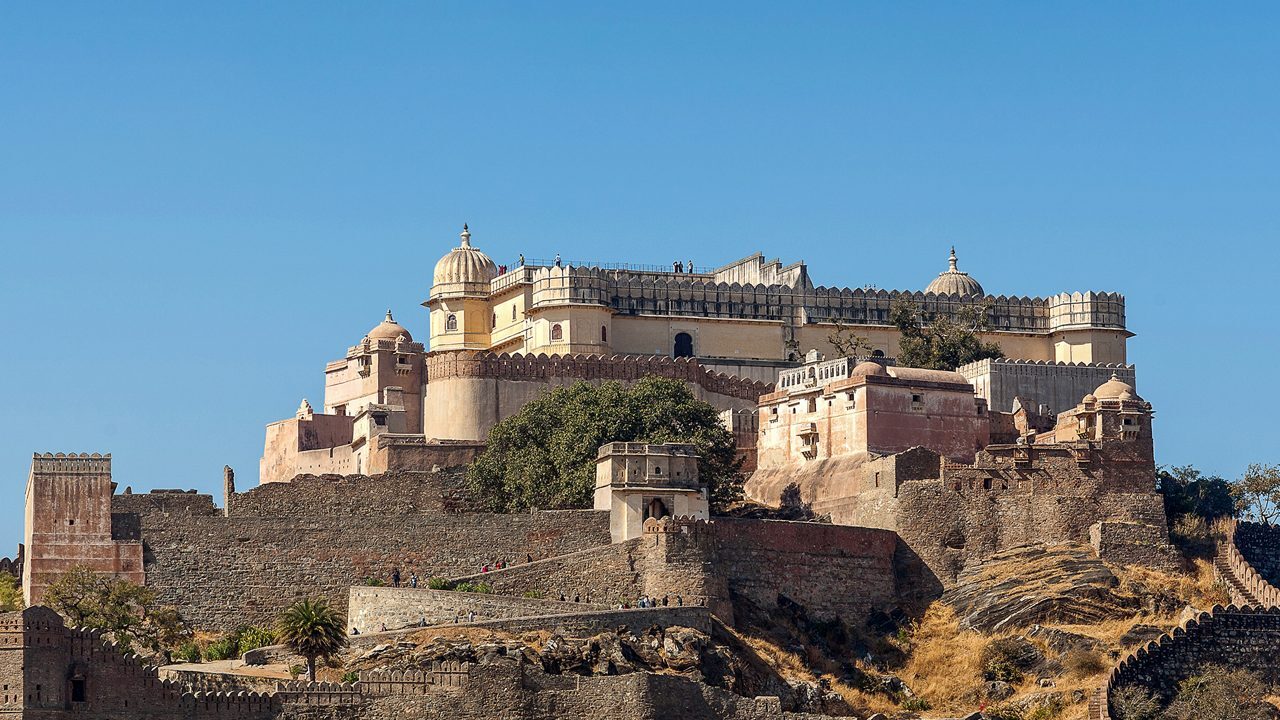
A UNESCO World Heritage Site perched at 1,100 metres in the Aravalli Range, Kumbhalgarh was built by the great warrior-king Maharana Kumbha in the 15th century and is widely regarded as Rajasthan's most impregnable fort. Its boundary wall stretches approximately 36 kilometres — the second longest fort wall in the world — enclosing over 360 temples, several palaces, stepwells, and reservoirs within its massive perimeter. The fort is also historically revered as the birthplace of the legendary Maharana Pratap. Its sheer scale and dramatic hilltop setting in a forested wildlife sanctuary make it one of the most awe-inspiring heritage experiences in all of India.
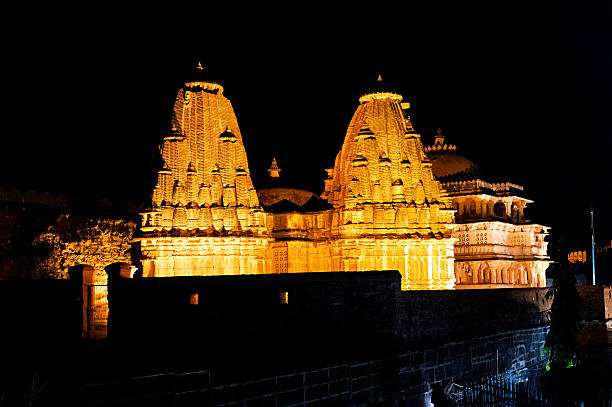
Vedi Temple
Located within the Kumbhalgarh Fort complex, the Vedi Temple is an elegant 15th-century shrine noted for its distinctive double-storey octagonal form — an unusual architectural design rarely seen in Rajput temple construction. Built during the reign of Maharana Kumbha, its carved pillars, ornamental brackets, and open pillared hall make it one of the most architecturally interesting temples within the vast fort complex.
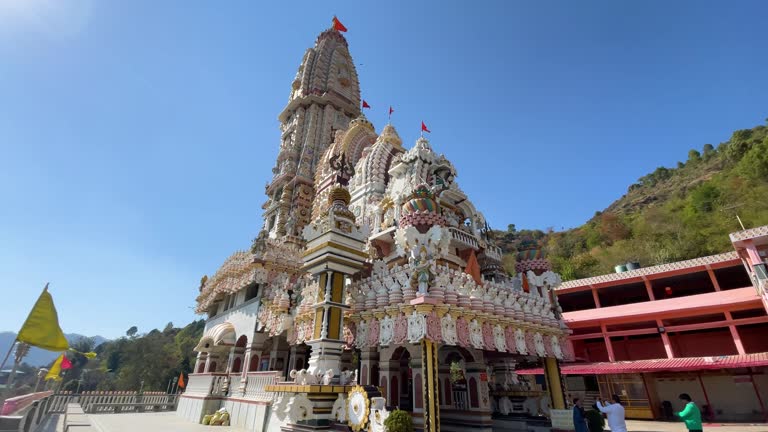
Neelkanth Mahadev Temple
One of the most sacred temples within Kumbhalgarh, the Neelkanth Mahadev Temple is an ancient Shiva shrine of considerable religious importance to the Mewar region. Its setting deep within the fort complex, surrounded by dense Aravalli forest and ancient walls, gives it an atmosphere of deep antiquity and spiritual tranquillity rarely encountered at more accessible pilgrimage sites.
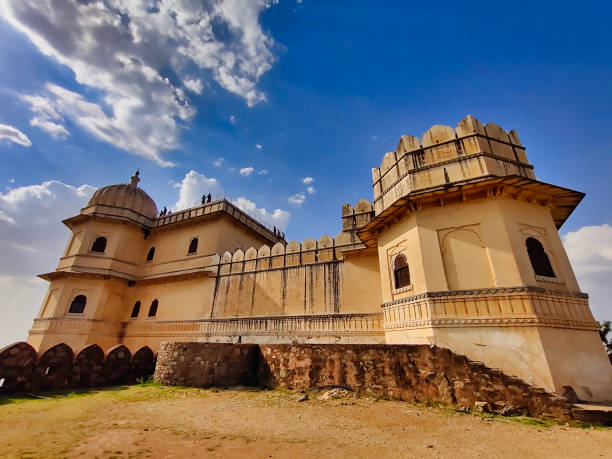
Badal Mahal (Palace of Clouds)
Situated at the very summit of Kumbhalgarh Fort, the Badal Mahal (Palace of Clouds) is so named because it rises above the treeline into the low-hanging clouds of the Aravalli monsoon. The palace offers sweeping 360-degree views of the forested hills, distant plains, and the winding fort wall below — arguably the single most spectacular viewpoint at any Rajasthan heritage site. The interior features colourful painted walls and typical Mewar palace decoration.
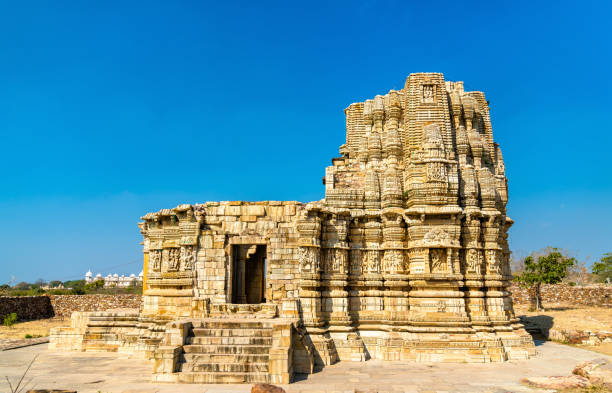
Mammadev Temple & Palaces
Among the hundreds of religious structures within Kumbhalgarh's walls, the Mammadev Temple is a notable example of medieval Rajput religious architecture dedicated to the mother goddess. The surrounding palace structures within the fort compound reflect the layered history of Mewar rulers who used Kumbhalgarh as both a military stronghold and a royal residence during times of crisis — including as the refuge of the infant Maharana Pratap.
After completing sightseeing, continue to Udaipur, check in to your hotel, and stay overnight.
Day 4 Udaipur Full-Day Sightseeing
After breakfast, visit the following attractions:
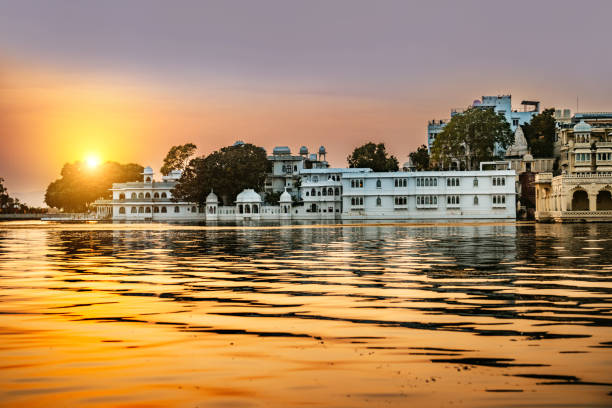
City Palace
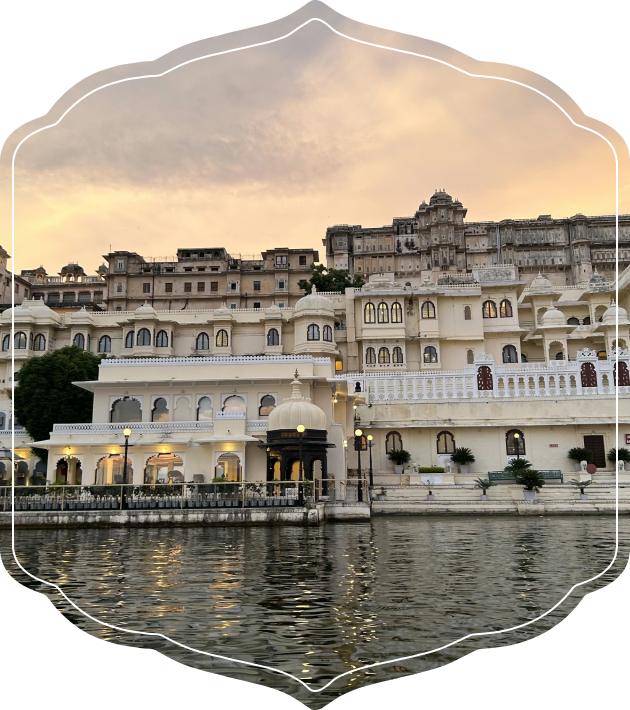
The largest palace complex in Rajasthan, the City Palace of Udaipur stands majestically on the eastern bank of Lake Pichola. Built over four centuries by successive Mewar rulers, it is a breathtaking fusion of Rajput, Mughal, and European architectural styles. Its museum houses royal armour, crystal galleries, decorative tiles, and rare miniature paintings. The rooftop terraces offer unparalleled views of Lake Pichola, the Jag Mandir island palace, and the encircling Aravalli hills.
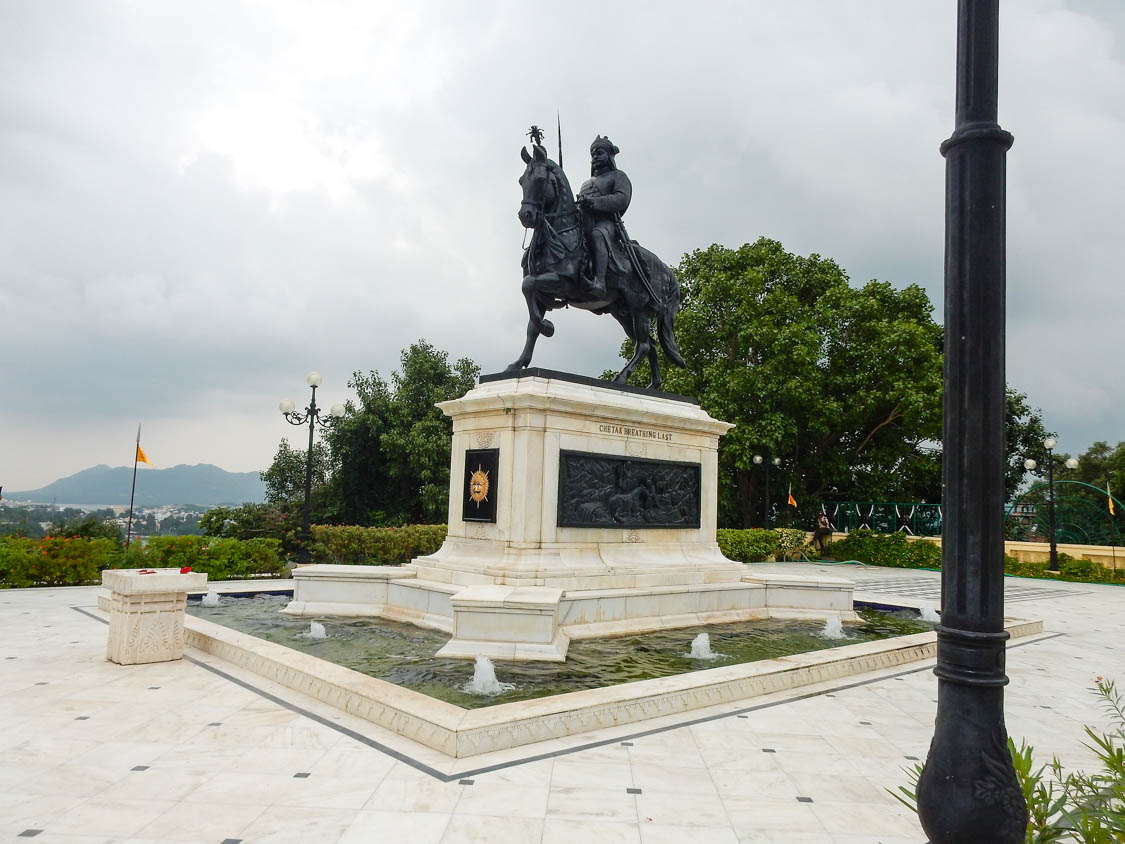
Pratap Smarak
Atop Moti Magri hill overlooking Fateh Sagar Lake stands this powerful bronze equestrian statue of Maharana Pratap astride his legendary horse Chetak — a proud tribute to Mewar's most revered warrior king. The hilltop park provides panoramic views of Udaipur's lakes and the Aravalli hills, and the short climb through manicured gardens is a pleasure in itself.
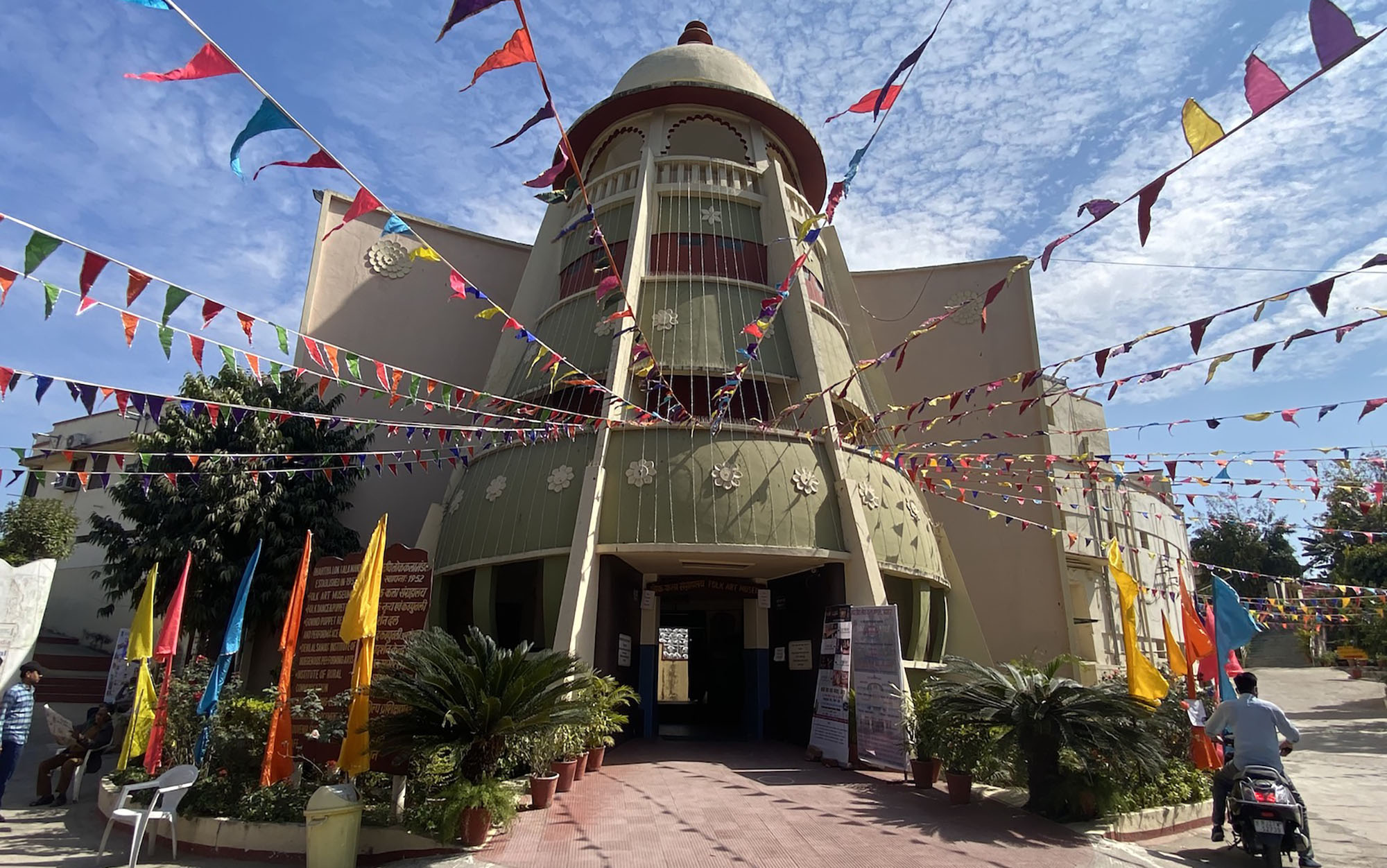
Bhartiya Lok Kala Mandal
A celebrated folk arts institute and museum dedicated to preserving the performing and craft traditions of Rajasthan. Its rich collection of traditional puppets, tribal masks, ceremonial costumes, musical instruments, and folk jewellery offers an authentic and beautifully curated window into the vibrant rural cultural heritage of the Mewar region.
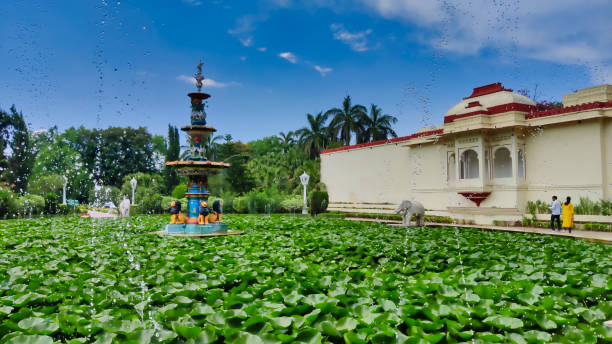
Saheliyon ki Bari
The Garden of the Maids of Honour was created by Maharana Sangram Singh as a royal leisure retreat for the noblewomen of the Mewar court. Its ornamental lotus pools, marble pavilions, elephant-shaped fountains, and shaded promenades make it one of Rajasthan's most delightful heritage gardens — peaceful, fragrant, and beautifully maintained throughout the year.
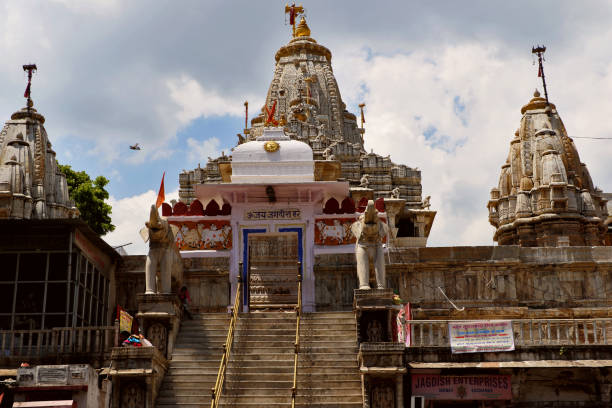
Jagdish Temple
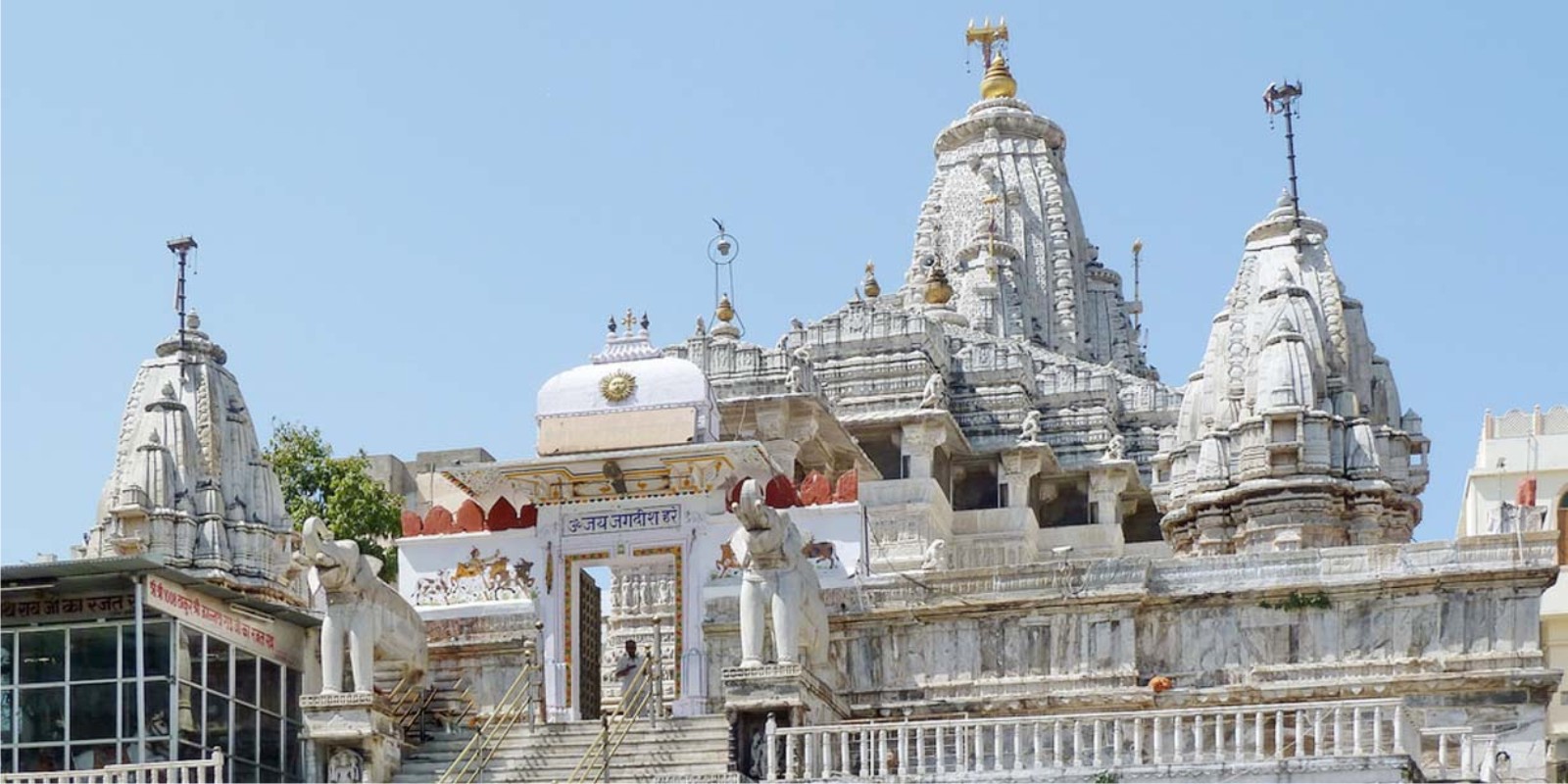
Built in 1651 CE, this magnificent Indo-Aryan temple dedicated to Lord Vishnu is the largest and most celebrated temple in Udaipur. Its elaborately carved sandstone shikhara, brass Garuda pillar, and intricate friezes of celestial beings, mythological scenes, and apsaras represent the finest expression of Mewar temple craft. Located at the northern entrance of the City Palace complex, it is the spiritual heart of the old city.
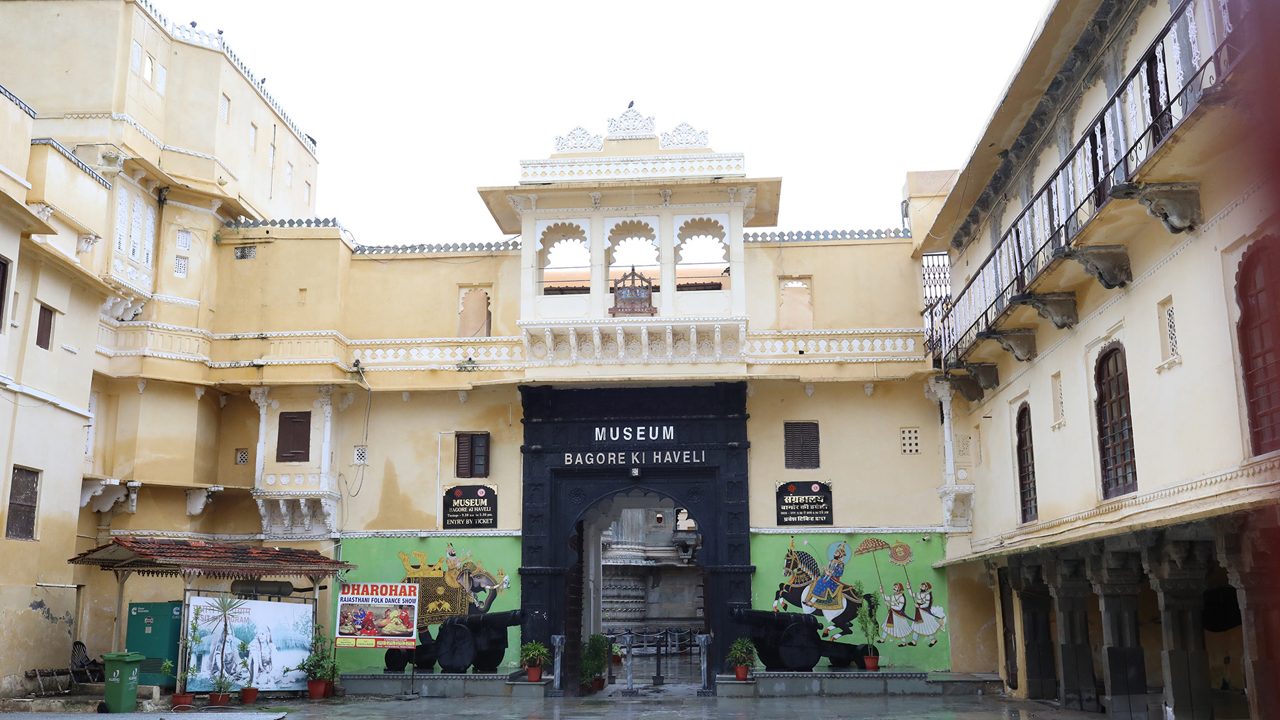
Bagore ki Haveli
This elegant 18th-century courtly haveli on Gangaur Ghat was once the residence of a senior minister of the Mewar court. Today it functions as a living heritage museum with over 100 decorated rooms displaying period furniture, royal costumes, folk artefacts, and a notable collection of antique hookahs. Its evening Rajasthani cultural show — featuring folk dance, music, and puppetry — is one of Udaipur's most beloved visitor experiences.
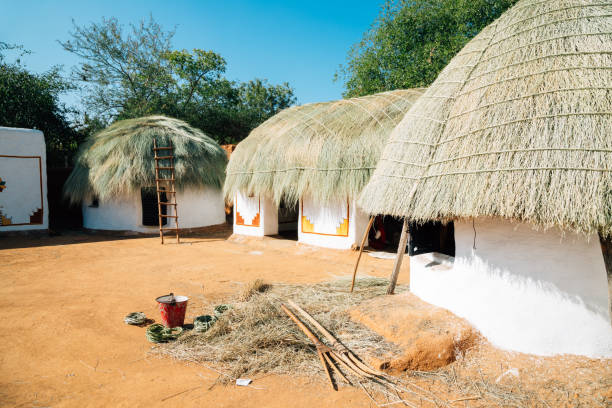
Shilpgram
A sprawling open-air rural arts and crafts village on the western outskirts of Udaipur, Shilpgram was established to showcase and support the living craft traditions of Rajasthan, Gujarat, and Goa. Skilled artisans — potters, weavers, block printers, leather workers, and tribal craftspeople — demonstrate their skills in authentic village-style huts and courtyards, and their work is available for purchase directly. The annual Shilpgram Utsav held in December is one of Rajasthan's premier craft festivals.
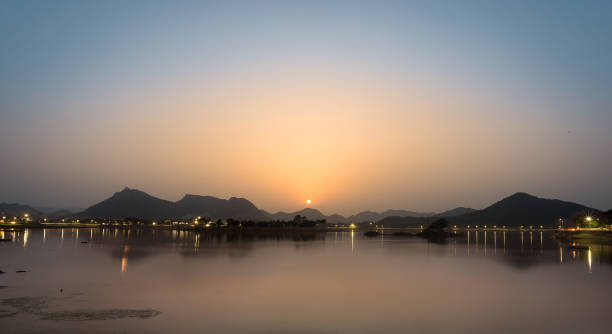
Fateh Sagar Lake
Named after Maharana Fateh Singh and spread across 2.4 square kilometres in the hills northwest of Udaipur, Fateh Sagar Lake is one of the most picturesque reservoirs in Rajasthan. Its three islands include Nehru Park (a public garden), Udaipur Solar Observatory (one of Asia's first), and a small boat club island. The lakeside promenade is especially beautiful in the evening when local vendors, food stalls, and the reflections of the Aravalli hills on the water create a wonderfully lively and scenic atmosphere.
Stay overnight in Udaipur
Day 5 Udaipur Departure
Travel Tips
01 - Hotel Check-In & ID
Carry a valid photo ID (Aadhaar, Passport, Voter ID, or Driving License). Foreign guests must carry a passport and visa. Check-in: 12 PM | Check-out: 10 AM.
02 - Best Time to Visit
October–March is ideal. Winter nights can be cold, while April–June is hot but less crowded.
03 - What to Pack
Light clothing for the day and a warm layer for evenings. Dress modestly at religious sites.
04 - Cash & Payments
Cards and UPI are widely accepted, but keep ₹2,000–3,000 cash for small shops and remote areas.
05 - Getting Around
All transportation is included as part of your tour, with carefully planned schedules to ensure a comfortable and hassle-free journey.
06 - Shopping
Popular items include textiles, blue pottery, jewellery, juttis, and paintings. Bargaining is common in local markets.
07 - Food & Dietary Needs
Vegetarian, Jain, and special dietary meals are available with advance notice.
08 - Connectivity
Good mobile coverage in cities; limited in remote desert areas. Wi-Fi is available at most hotels and camps.
09 - Health & Safety
Stay hydrated, use sunscreen, and carry personal medications. Rajasthan is generally safe for travellers.
10 - Photography
Photography is allowed at most attractions. Some sites may charge a camera fee. Ask permission before photographing people.
11 - Tipping
Tipping is optional but appreciated. Drivers, guides, and hotel staff are usually tipped based on service.
Why Book With Us

Certified Guides

100% Safe Tours

24/7 Support

Best Price Guarantee

Free Cancellation

No Hidden Charges

Heavy Discounts

Verified Hotel Stays