City of Stepwells
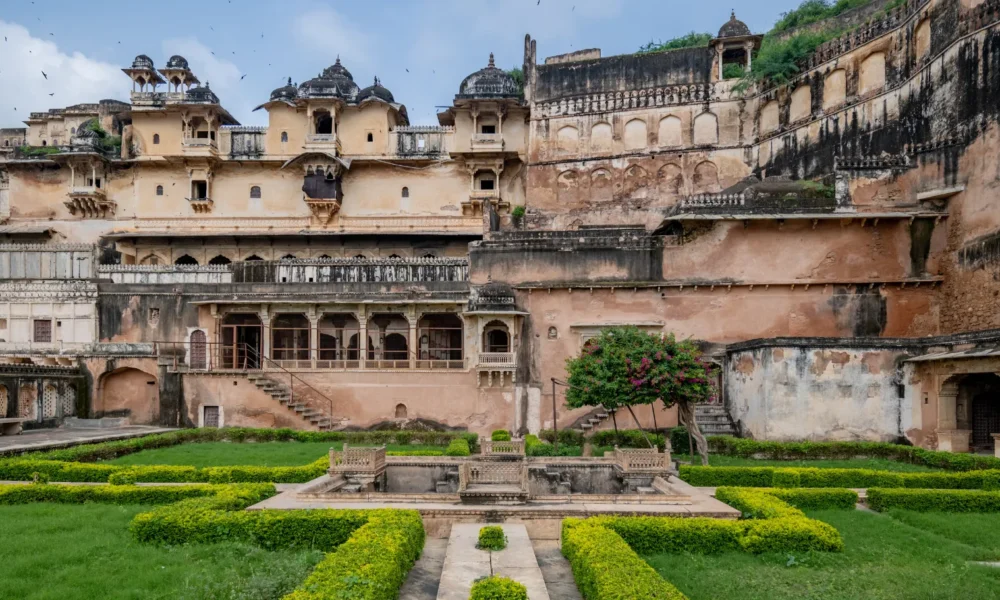
Bundi, popularly known as the Blue City of Eastern Rajasthan, is one of the most enchanting and unspoiled heritage towns in the Indian state of Rajasthan. The name Bundi comes from a tribal chieftain, Bunda Meena, who once ruled the area — and the city's origins trace back to the 12th century when the Hada Chauhans established their kingdom here.
Nestled in a narrow valley in the Hadoti region of Rajasthan, Bundi is often called the Blue City of Eastern Rajasthan — unlike Jaipur or Udaipur, Bundi has preserved its raw authenticity, with its narrow lanes, decorated stepwells, mural-filled palaces, and untouched forts still whispering tales of the bygone era. Often referred to as the City of Step Wells, Bundi attracts discerning travellers from across the world for its medieval charm, artistic heritage, and remarkably unspoiled character.
Bundi was founded in the 12th century and served as the capital of the Kingdom of Hadoti — a proud Rajput principality of the Hada Chauhan clan that maintained its independence and cultural distinctiveness through centuries of Mughal and Maratha pressure. Artefacts from the Stone Age dating back 5,000 to 2,000 years have been found here, and the city is home to impressive medieval forts, palaces, havelis, and stepwells that serve as its main attractions.
The iconic Taragarh Fort and the magnificent Garh Palace — famous for its extraordinary murals and frescoes — are the crown jewels of Bundi's heritage. Such is the charm of the city that it finds mention in literary and cinematic works of Rudyard Kipling in his novel Kim, Rabindranath Tagore in his poem Nakalgarh, and Satyajit Ray in his film Sonar Kella.
Bundi is famous for its:
Bundi tourism offers a refreshing offbeat experience — it is quieter, less commercialised, and gives travellers a chance to experience authentic Rajasthani hospitality. Its blue-washed houses, ancient stepwells, mural-covered palaces, and medieval fort make Bundi one of the most magical and memorable destinations in all of Rajasthan.
Bundi is a historic town in the Indian state of Rajasthan and one of the country's most captivating offbeat destinations. It is popularly known as the Blue City of Eastern Rajasthan because of its distinctive blue-painted houses, narrow winding lanes, and an atmosphere of raw, unspoiled medieval charm that sets it apart from every other city in Rajasthan.
The name Bundi is believed to be derived from one of the tribal heads named Bunda Meena, and in the 14th century Bundi was taken over by Rao Deva Hada — the surrounding areas were named Hadoti, meaning the Land of Hada Rajputs, after him. Surrounded by Aravalli hills, Bundi is a wonderful destination rich in cultural heritage — known for its huge number of stepwells, lavish forts, beautiful palaces, and ancient baoris.
Bundi is also called the City of Step Wells due to its extraordinary collection of over 50 intricately carved baoris — ancient stepwells that are among the finest in all of India. Popular attractions like Taragarh Fort, Garh Palace, Raniji ki Baori, Jait Sagar Lake, and the ancient Sukh Mahal attract travellers from across India and the world. The city finds mention in the literary works of Rudyard Kipling in his novel Kim, Rabindranath Tagore in his poem Nakalgarh, and Satyajit Ray in his celebrated film Sonar Kella. Bundi is well known for its extraordinary palace murals, heritage homestays, the vibrant Kajli Teej Festival, and the authentic Rajasthani hospitality that makes every visitor feel deeply welcomed in this medieval gem of Rajasthan.
Bundi offers a perfect blend of medieval forts, mural-filled palaces, ancient stepwells, serene lakes, sacred cenotaphs, and an authentic Rajasthani atmosphere found nowhere else in India. Here are the top sightseeing places you should explore in the Blue City of Eastern Rajasthan.
Taragarh Fort
Garh Palace (Bundi Palace)
Raniji ki Baori — Queen's Stepwell
Sukh Mahal & Jait Sagar Lake
84-Pillared Cenotaph (Chaurasi Khambon ki Chhatri)
Nawal Sagar Lake
Bundi is one of Rajasthan's most extraordinary destinations for art and heritage lovers, celebrated above all for its breathtaking Bundi School of Mural Painting — a vibrant artistic tradition that covers the walls and ceilings of its palaces in some of the most magnificent frescoes in all of India. Here are the top Museums & Art Galleries you must explore in the Blue City of Eastern Rajasthan.
Chitrashala — The Palace Art Gallery
Government Museum Bundi — Sukh Mahal Complex
Bundi School of Painting — A Living Art Tradition
Garh Palace Mural Heritage — An Open-Air Museum
Bundi Stepwells — Living Museums of Water Architecture
Rock Paintings of Garardha — Prehistoric Art Site
Bundi is a town that celebrates its festivals with an intimacy, authenticity, and community spirit that larger cities simply cannot match — each fair and festival here feels like a genuine window into the living culture and deep traditions of the Hadoti region. Here are the top Fairs & Festivals you must experience in the Blue City of Eastern Rajasthan.
Bundi Utsav (Bundi Festival)
The Bundi Utsav is the most iconic and eagerly awaited celebration of the town — a spectacular three-day cultural festival that transforms Bundi's heritage streets, ancient stepwells, and royal palaces into vibrant open-air stages. The Bundi Festival is celebrated in the month of Kartik (October–November) and includes several spiritual and traditional activities — it is a remarkable cluster of traditional art, culture, and craftsmanship that leaves visitors charmed by its magnificence. The programme includes a Shobha Yatra or grand procession, ethnic sports, cultural programmes, folk dances, bridal attire competitions, turban-tying competitions, classical music and dance performances, arts and crafts fair, and a sparkling fireworks display as the highlight of each evening. One of the most magical moments of Bundi Utsav is the Deepdan ceremony at Nawal Sagar Lake — where locals and visitors light thousands of earthen diyas and set them afloat on the water, turning the lake into a shimmering carpet of light with the reflections of Garh Palace and nearby temples flickering in the background.
Kajli Teej Festival
The Kajli Teej Festival is the most uniquely Bundi festival in all of Rajasthan — a celebration that is deeply rooted in the town's identity and celebrated with a theatrical exuberance found nowhere else in the state. The festival of Kajli Teej is unique to the city of Bundi — a dazzlingly theatrical and lively event held every year in the month of Bhadra (July–August), a week-long celebration filled with gaiety and fanfare that pays homage to Goddess Uma by the seekers of marital bliss and love. One of the highlights of the festival is the traditional procession known as Shobha Yatra — featuring beautifully adorned idols of Teej Mata mounted on elaborately decorated palanquins, winding through the narrow lanes of Bundi accompanied by enthusiastic chants, devotional songs, and the rhythmic beats of traditional musical instruments. A local fair held nearby is extremely popular with the rural folk around Bundi — handicrafts such as traditional kataar, paintings, bangles, rural handicrafts, and fancy eatables attract people from Rajasthan, other parts of India, and foreign shores.
Gangaur Festival
The Gangaur Festival in Bundi carries a uniquely poignant history that sets it apart from all other Gangaur celebrations in Rajasthan. While Maharao Raja Budh Singhji of Bundi was engaged in wars in Kabul, his brother Jodh Singhji led the Gangaur procession to Jaitsagar Lake — while enjoying boating with his nobles, a mad elephant came into the tank, struck against the boat, and drowned the entire crew including Maharao Jodh Singhji. From that time the festival of Gangaur was stopped, and only later restarted by successive rulers. Today, Gangaur is once again celebrated with colour and devotion across Bundi — women wear vibrant traditional attire, perform daily pujas to Goddess Gauri, and participate in grand processions through the old town with beautifully decorated idols over sixteen celebratory days.
Kartik Purnima — Deep Mahotsav
Kartik Purnima in Bundi is a deeply spiritual and visually enchanting festival celebrated on the full moon night of the Kartik month — one of the most sacred nights in the Hindu calendar. Early in the morning, after the full moon night of Kartik Purnima, women and men clad in attractive colourful costumes light diyas or lamps on the banks of River Chambal and seek the blessings of the almighty — creating one of the most atmospherically beautiful and spiritually charged festival experiences available anywhere in the Hadoti region. The nearby Keshavraipatan town in Bundi district hosts a major fair on Kartik Purnima where over one lakh devotees assemble and take a sacred bath in the Chambal River — making the entire Bundi region a hub of pilgrimage and celebration on this auspicious full moon night.
Holi
Holi in Bundi is celebrated with the authentic, unrestrained community joy of a small town that has been celebrating the festival of colours in the same narrow blue-washed lanes for centuries. Holi is a national festival celebrated in every part of India with utmost gusto — its tradition is a commemoration of the Vedic story of Prahlad, Hiranyakashyap, Holika, and Nrisimhavatar, one of Lord Vishnu's incarnations, held on the eve of Purnima in the month of Phalgun. In Bundi, the festival takes on a particularly magical quality as coloured powders fill the air in the narrow medieval lanes, locals celebrate in front of the ancient stepwells and painted havelis, and the entire town rings with folk music, laughter, and the joyful chaos that makes Holi in an unspoiled Rajasthani town a truly unforgettable experience.
Dussehra & Diwali
Dussehra and Diwali are celebrated across Bundi with the communal warmth and traditional depth that characterise every festival in this intimate medieval town. Bundi's people joyfully celebrate various festivals with religious fervour — Holi, Diwali, Dussehra, Gangaur, Teej, Rakshabandhan, Ram Navami, and Krishna Janmashtami among them — and a large number of Jain and Muslim faithful also reside in Bundi, celebrating their festivals in a harmonious ambience. Diwali at Bundi is especially atmospheric — the ancient stepwells, the Garh Palace battlements, and the blue-painted old city streets are illuminated with earthen lamps, creating a medieval festival landscape of extraordinary beauty that no amount of modern lighting can replicate in a larger city.
Bundi is perfectly located for exciting one-day excursions to ancient forts, sacred temples, medieval rock carvings, wildlife reserves, and the heritage cities of the Hadoti region. Here are some of the best excursions from the Blue City of Eastern Rajasthan.
1. Kota — City on the Chambal
2. Bijolia — Ancient Rock-Cut Temples
3. Ramgarh Vishdhari Wildlife Sanctuary
4. Bhimlat Waterfall
5. Chittorgarh Fort
6. Ranthambore National Park
Bundi is one of Rajasthan’s charming heritage towns, famous for traditional handicrafts, miniature paintings, textiles, jewelry, and authentic Rajasthani artwork. The city’s local markets and traditional bazaars offer a unique blend of culture, history, and craftsmanship.
Sadar Bazaar
Chudi Bazaar
Bundi Miniature Art Shops
Local Handicraft Markets
Nawal Sagar Market Area
Street Markets of Bundi
Bundi offers a mix of traditional Rajasthani restaurants, rooftop cafés, local food stalls, and heritage dining experiences. The city is popular among travelers looking for authentic cuisine, scenic views, and peaceful cultural vibes.
Lake View Restaurant
Morgan’s Place Restaurant
Tom and Jerry Restaurant
Traditional Rajasthani Dining
Street Food in Bundi
Heritage Hotel Dining
Bundi is a historic city in Rajasthan and is well connected by air, rail, and road from major cities in India.
Jaipur International Airport
Popular airlines operating to Jaipur include:
Bundi Railway Station
Bundi has railway connectivity with major cities across Rajasthan and nearby states. The city is also well connected through Kota Junction, one of Rajasthan’s major railway hubs.
Important trains include:
Other nearby railway stations include:
By Road
Bundi is perfectly located for exciting one-day excursions to forts, palaces, lakes, wildlife destinations, and heritage towns. Here are some of the best day trips you can enjoy from Bundi.
Distance from Bundi: ~40 km
Travel Time: Around 1 hour
Why visit:
Distance from Bundi: ~145 km
Travel Time: Around 3 hours
Highlights:
Distance from Bundi: ~160 km
Travel Time: Around 3–4 hours
Why visit:
Distance from Bundi: ~45 km
Travel Time: Around 1 hour
Highlights:
Distance from Bundi: ~95 km
Travel Time: Around 2 hours
Why visit:
Bundi tour packages are popular among travelers looking for heritage sightseeing, forts, palaces, stepwells, cultural tours, and Rajasthan holiday experiences. Packages range from short 2-day heritage trips to complete Rajasthan circuits including Jaipur, Kota, Udaipur, Chittorgarh, and Ranthambhore.
1. Bundi 2 Nights / 3 Days Package
Usually includes:
Typical inclusions:
Average price:

Bundi is famous for its historic forts, palaces, stepwells, miniature paintings, and beautiful heritage architecture. The city is also known for its peaceful atmosphere and rich Rajput history.
Popular tourist attractions in Bundi include Taragarh Fort, Bundi Palace, Raniji Ki Baori, Nawal Sagar Lake, Sukh Mahal, and Chaurasi Khambon Ki Chhatri.
The best time to visit Bundi is between October and March when the weather is pleasant for sightseeing and exploring heritage attractions.
A 2 to 3-day trip is usually enough to explore Bundi’s forts, palaces, stepwells, lakes, and nearby attractions comfortably.
Yes, Bundi is one of Rajasthan’s best destinations for heritage tourism because of its historic architecture, ancient forts, royal palaces, and traditional artwork.
Tourists can enjoy heritage walks, fort visits, photography, shopping, local cuisine, cultural experiences, and exploring historic stepwells during their visit to Bundi.

Start your royal journey with exclusive savings. We'll get back to you within 24-48 hours.


Your details have been successfully submitted. Our travel experts are currently reviewing your request and will get in touch with you shortly.
Please keep an eye on your email or phone for further updates. We’re excited to help you plan a memorable journey!
If you need immediate assistance, feel free to reach out to us anytime.
Call Or WhatsApp Us: +91 92575 05272 Or Email Us: sales.tripmyrajasthan@gmail.com