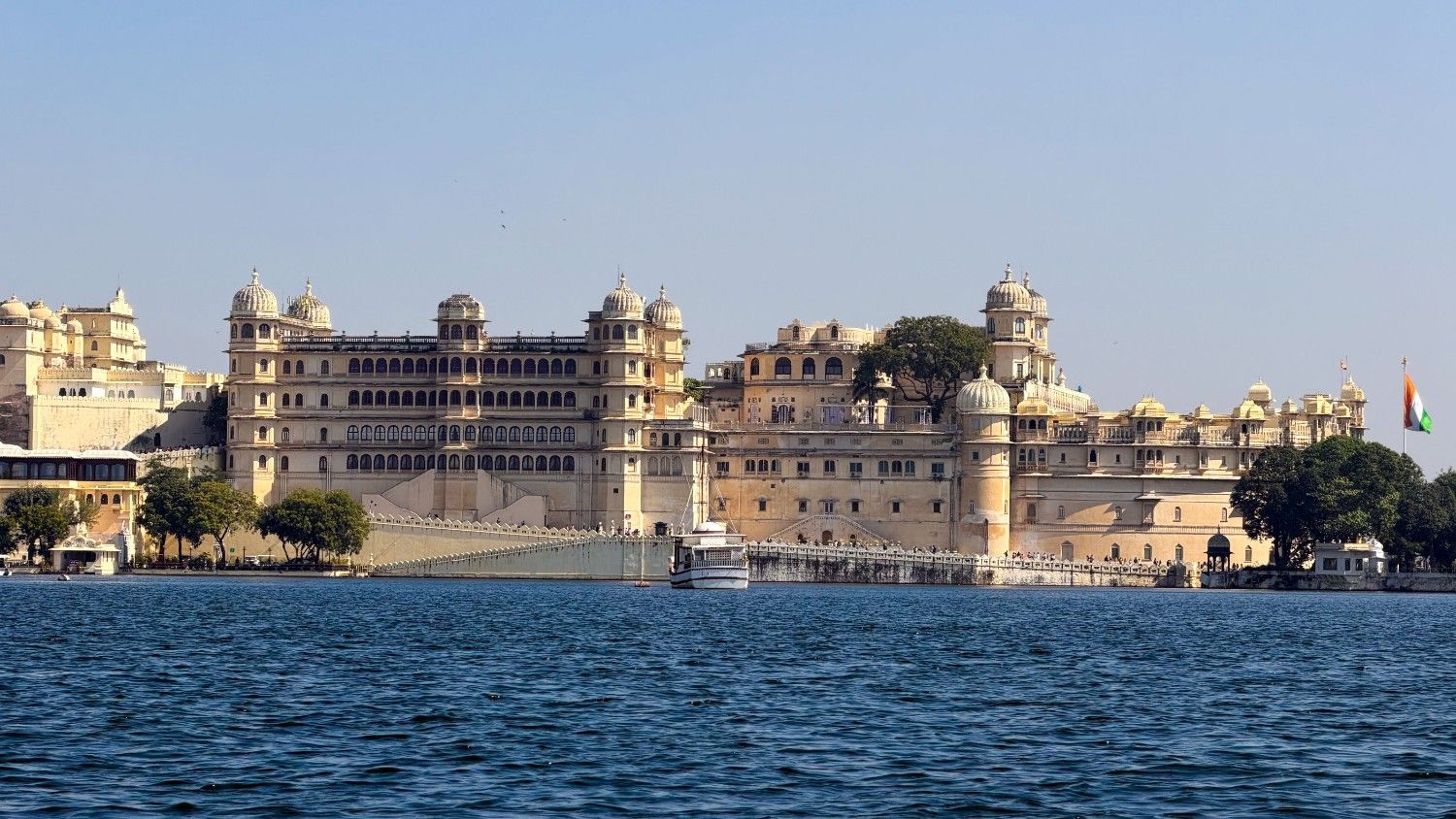
11-Day Delhi, Agra, Jaipur, Bikaner, Jaisalmer, Jodhpur & Udaipur Tour – The Ultimate Golden Triangle & Rajasthan Experience
Experience the best of North India and Rajasthan on this 11-day tour covering Delhi, Agra, Jaipur, Bikaner, Jaisalmer, Jodhpur, and Udaipur. Explore iconic monuments, royal palaces, historic forts, vibrant culture, and breathtaking desert landscapes.
Day-by-Day Itinerary
Day 1 Delhi Arrival & Leisure
Day 2 Delhi Sightseeing
A full day exploring one of the world's great capital cities, where Mughal monuments, colonial boulevards, and ancient temples exist side by side.
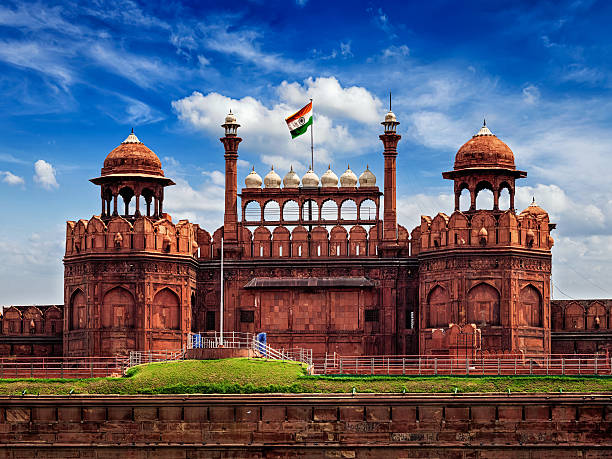
Red Fort
The magnificent 17th-century red sandstone citadel built by Emperor Shah Jahan, the symbolic seat of Mughal power and India's most iconic Independence Day venue.
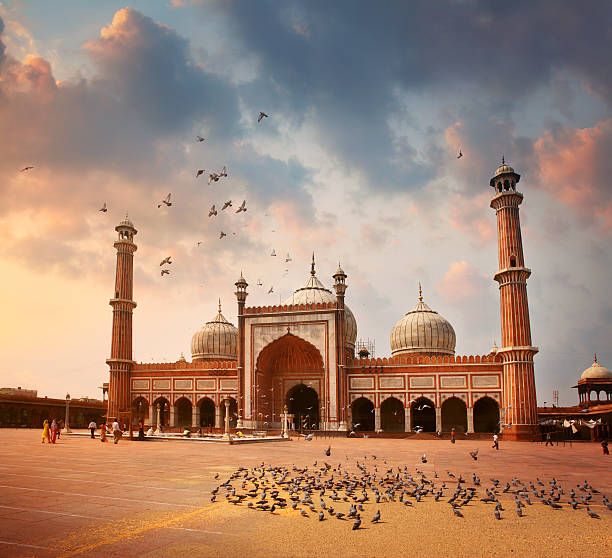
Jama Masjid
India's largest mosque, built in 1656 and capable of holding 25,000 worshippers — its vast courtyard and soaring minarets remain breathtaking at any hour.
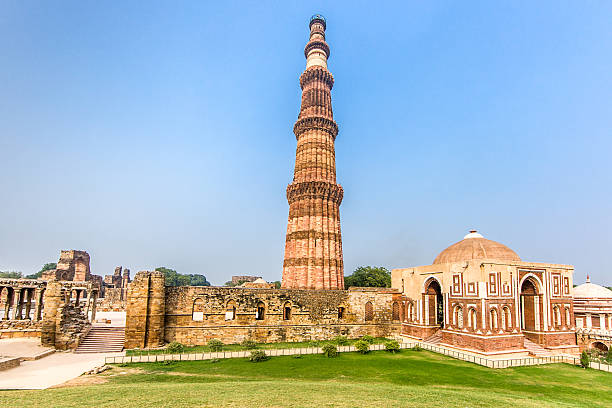
Qutub Minar
A UNESCO World Heritage Site and the world's tallest brick minaret, rising 73 metres and dating to 1193 — the first monument of the Delhi Sultanate.
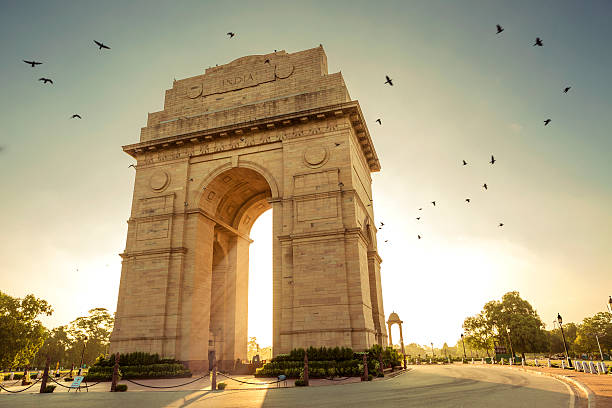
India Gate
The 42-metre war memorial at the ceremonial heart of New Delhi, honouring 82,000 soldiers of the British Indian Army — a beloved gathering place at dusk.
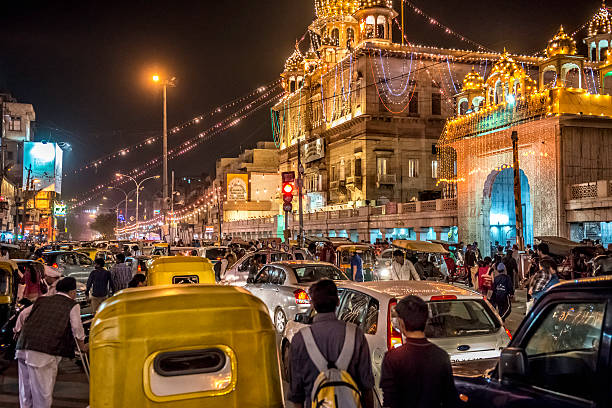
Chandni Chowk
One of Asia's oldest and busiest markets, a labyrinth of narrow lanes selling spices, textiles, street food, jewellery, and everything in between since the 17th century.
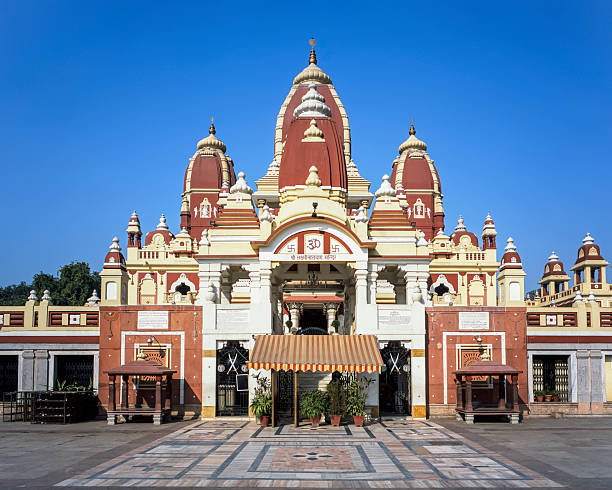
Lakshmi Narayan Temple
A grand Hindu temple dedicated to Lord Vishnu and Goddess Lakshmi, inaugurated by Mahatma Gandhi in 1939 on the condition it be open to all.
Overnight stay in Delhi.
Day 3 Delhi to Agra
Travel south along the Yamuna Expressway to Agra, the city of the Taj Mahal — the undisputed crown jewel of Mughal architecture and one of the Seven Wonders of the World.
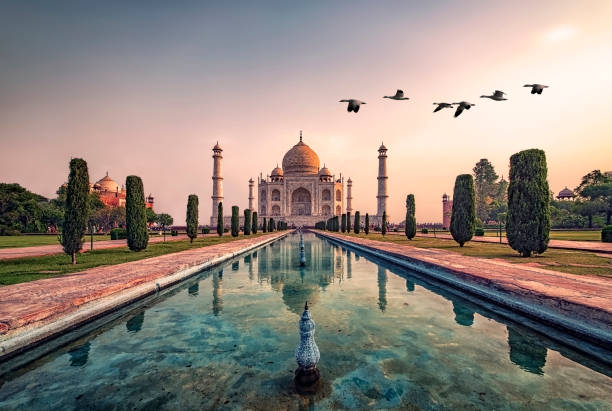
Taj Mahal
Built by Emperor Shah Jahan between 1632 and 1653 as an eternal declaration of love for his queen Mumtaz Mahal — a monument of white marble whose beauty shifts with every hour of light.
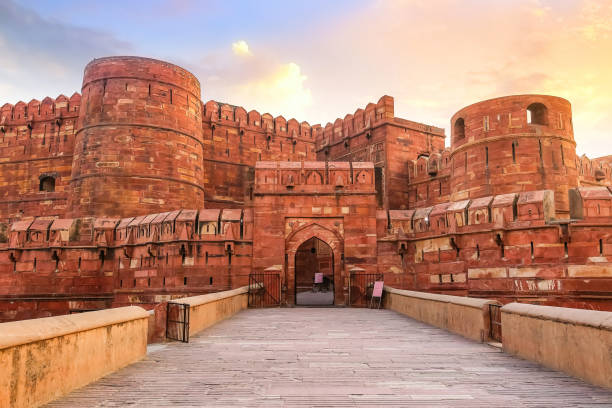
Agra Fort
A UNESCO World Heritage Site and the primary residence of the Mughal emperors, its massive red sandstone walls enclosing palaces, mosques, and audience halls of extraordinary refinement.
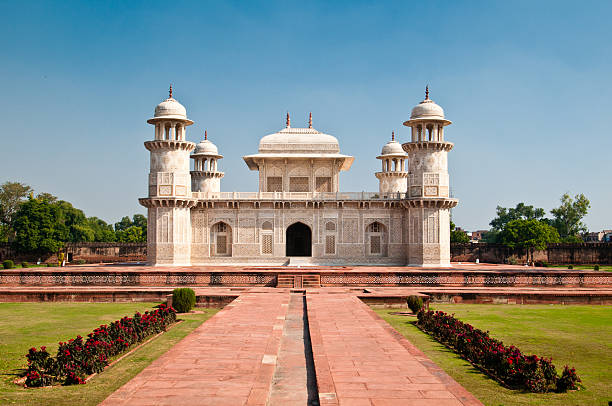
Itimad-ud-Daulah
Often called the Baby Taj, this delicate 17th-century mausoleum of white marble and pietra dura inlay work is considered the forerunner of the Taj Mahal itself.
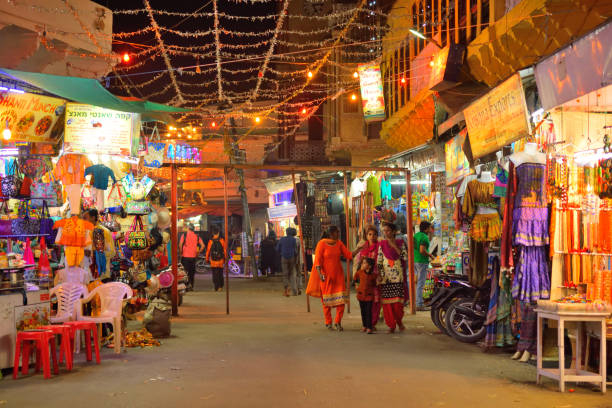
Local Markets
Agra's markets are famous for marble inlay work (pietra dura), leather goods, and Petha (the city's iconic crystallised gourd sweet) — ideal for authentic souvenirs.
Overnight stay in Agra.
Day 4 Agra to Jaipur
Travel west to Jaipur, the Pink City and capital of Rajasthan. Arrive by afternoon and begin exploring the city's elegant planned avenues and modern cultural landmarks.
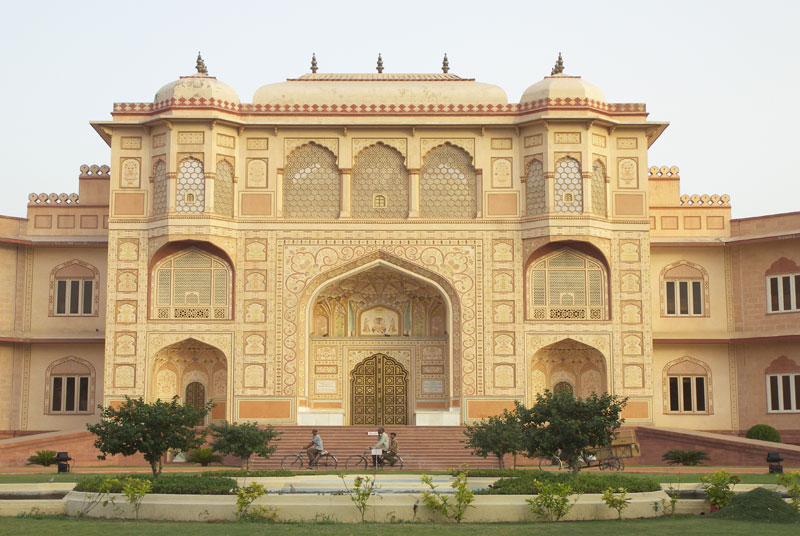
Statue Circle & Birla Auditorium
The elegant roundabout marking central Jaipur, flanked by a premier cultural venue hosting classical performances and art exhibitions.
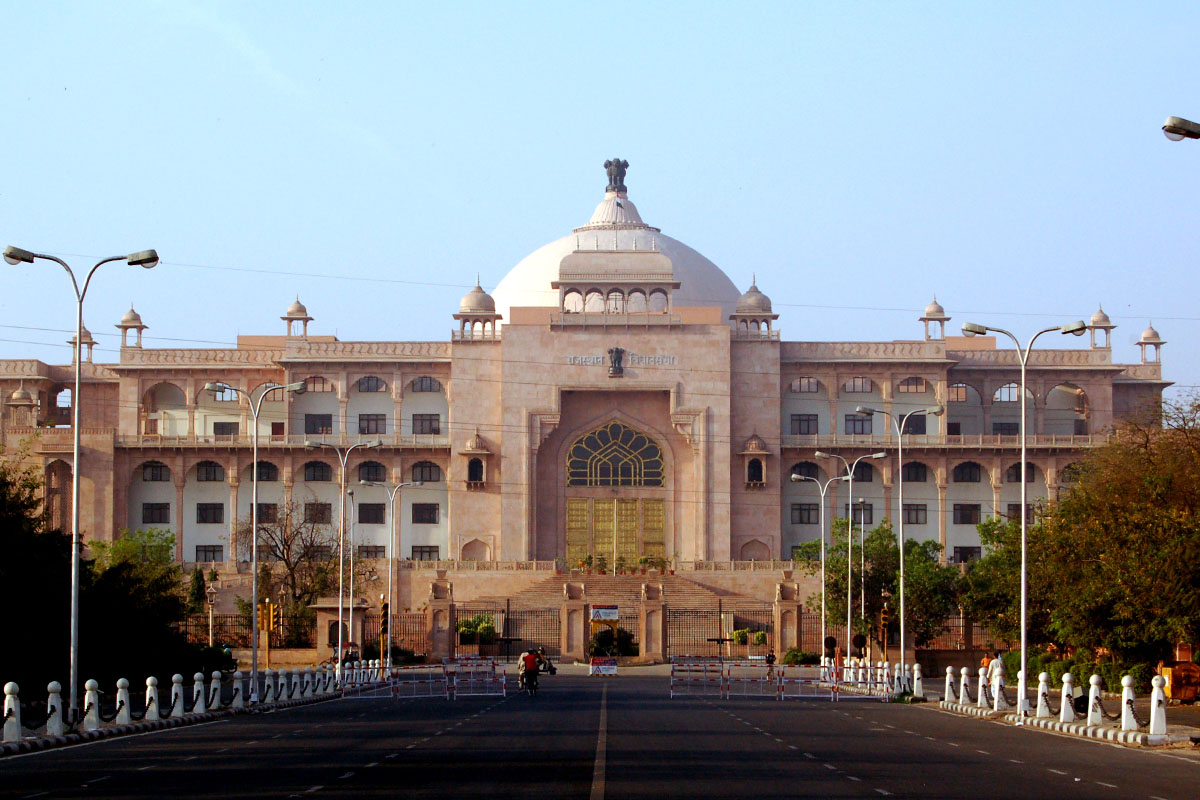
New Vidhan Sabha
Rajasthan's striking state legislative assembly, a confident piece of modern architecture at the heart of the planned city.
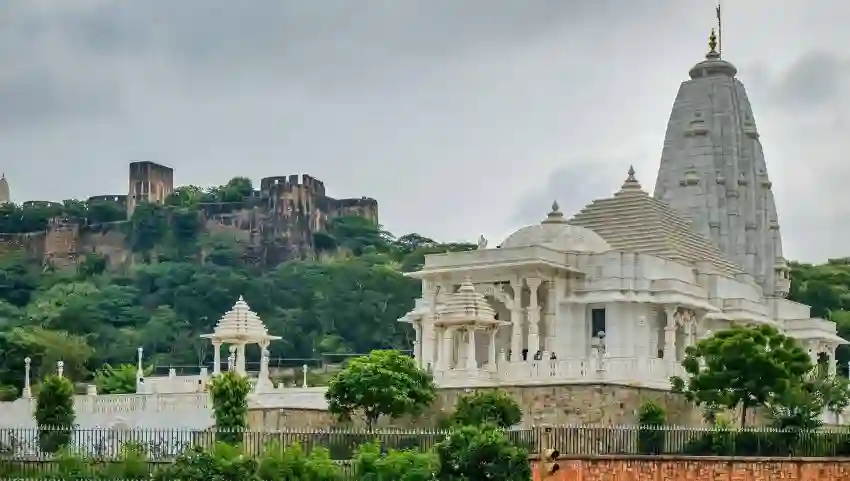
Birla Mandir
A gleaming white marble temple dedicated to Lord Vishnu and Goddess Lakshmi, luminous after dark and a peaceful sanctuary from the city's energy.
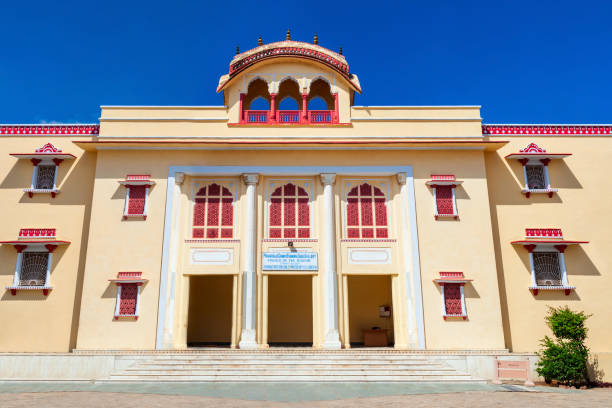
Jawahar Kala Kendra
Designed by renowned architect Charles Correa as a nine-square mandala inspired by Jaipur's original city plan — a cultural centre that is itself a work of art.
Overnight stay in Jaipur.
Day 5 Jaipur Full Day Sightseeing
Jaipur rewards a full, unhurried day — from its iconic five-story pink façade to the hilltop fort that guards the city from above.
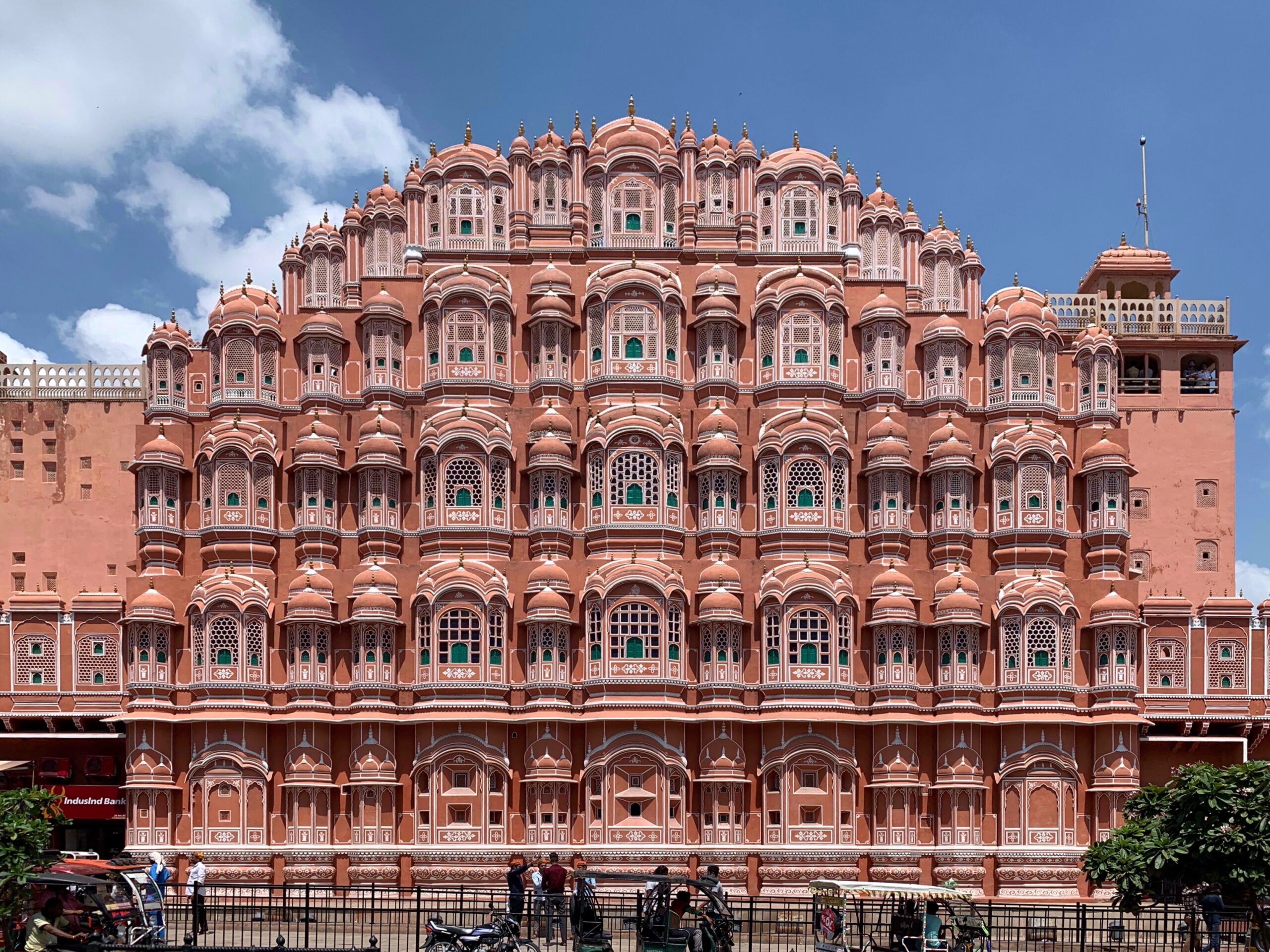
Hawa Mahal
The Palace of Winds, a five-storey screen of 953 intricately latticed windows through which royal ladies once observed the city's street life without being seen.
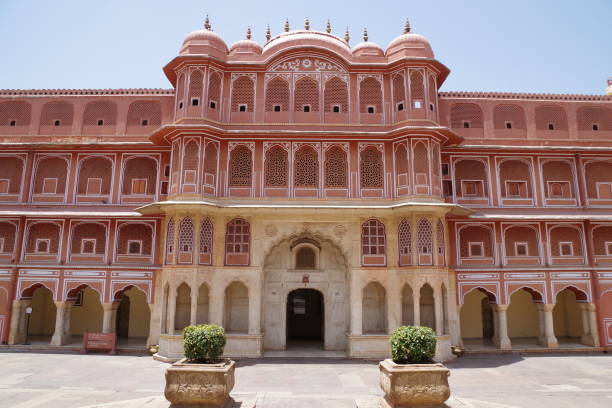
City Palace
The royal heart of Jaipur, a walled complex of courtyards, galleries, and museums displaying the magnificent collections of the Kachwaha dynasty.
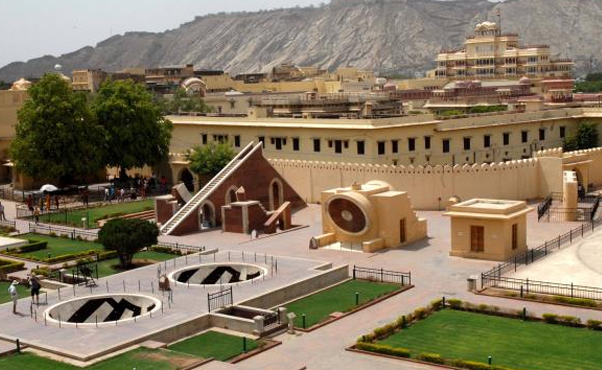
Jantar Mantar
A UNESCO-listed open-air observatory built by Maharaja Jai Singh II in 1724, home to the world's largest stone sundial — accurate to within two seconds.
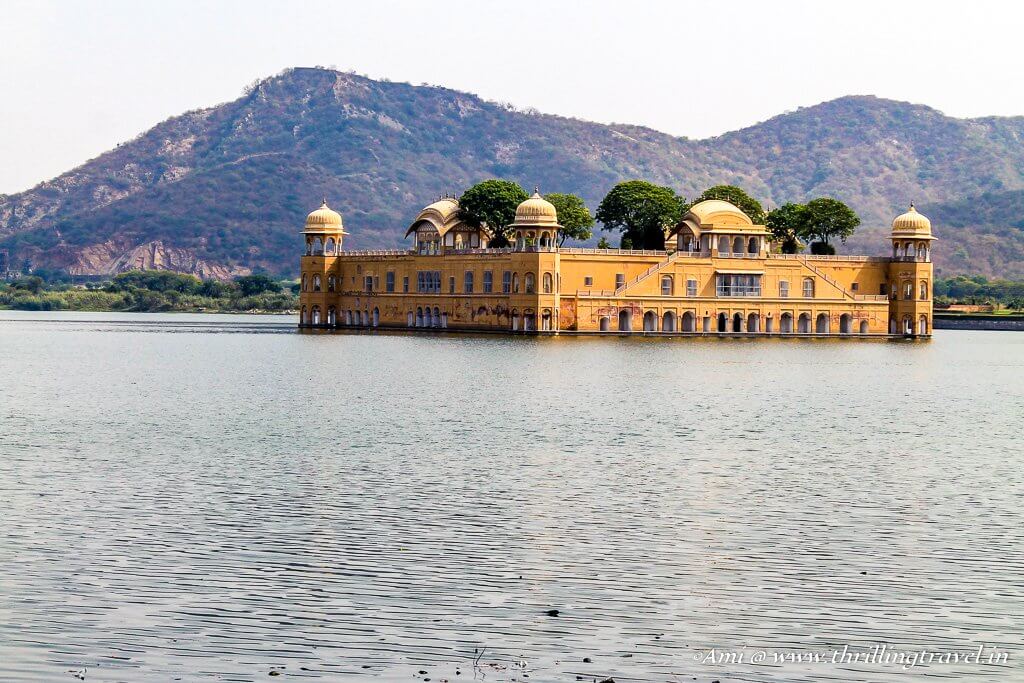
Jal Mahal
The floating Water Palace rising from Man Sagar Lake, most magical at dusk when four of its five storeys lie submerged beneath the surface.
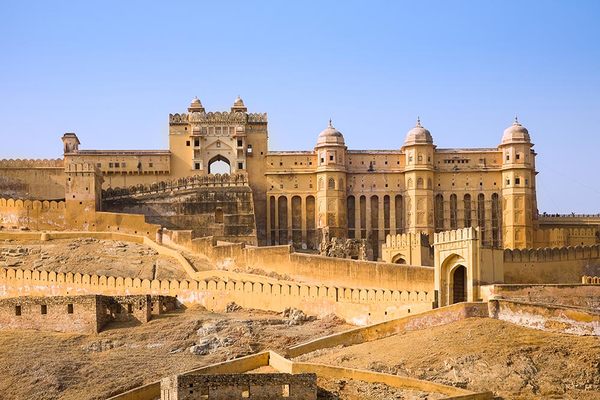
Amer Fort
Jaipur's crown jewel, a 16th-century hilltop fortress of white marble and amber sandstone whose Sheesh Mahal (Mirror Palace) blazes with thousands of glass inlays.
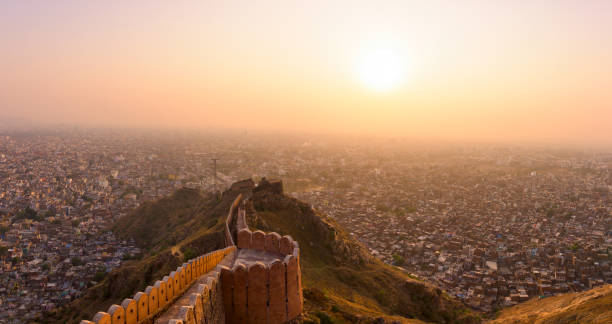
Nahargarh Fort
The Tiger's Lair fort crowning the Aravalli ridge above the city, offering the finest panoramic view of the entire Pink City at sunset.
Overnight stay in Jaipur.
Day 6 Jaipur to Bikaner
Drive north-west into the Thar Desert to Bikaner, a walled city of regal forts, sacred temples, and the world's only dedicated camel research farm.
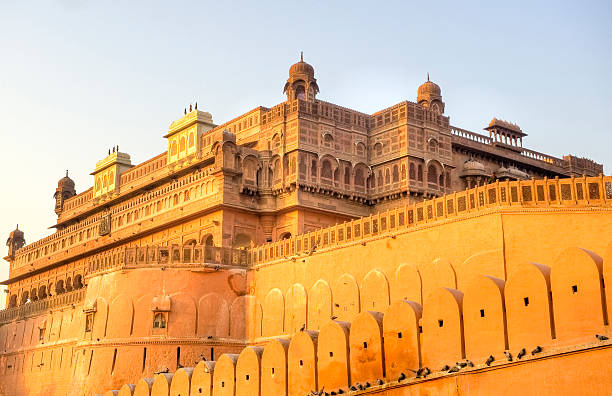
Junagarh Fort
An undefeated 16th-century fort uniquely situated on flat desert ground rather than a hill — its 37 bastions, ornate palaces, and carved sandstone interiors have never been breached.
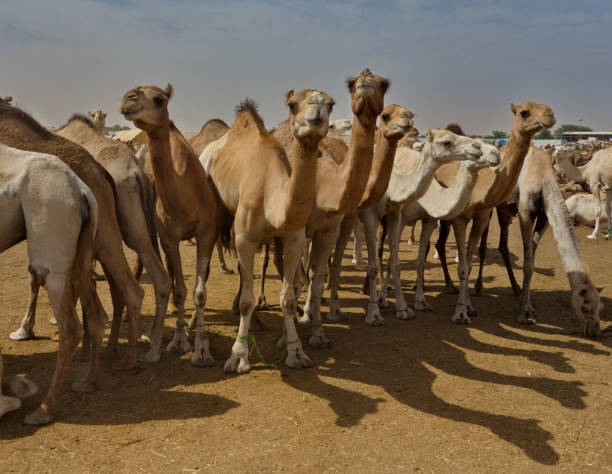
Camel Breeding Farm
India's only camel breeding research station, a fascinating living farm with over 200 camels where you can witness milking, learn about desert ecology, and sample camel milk.
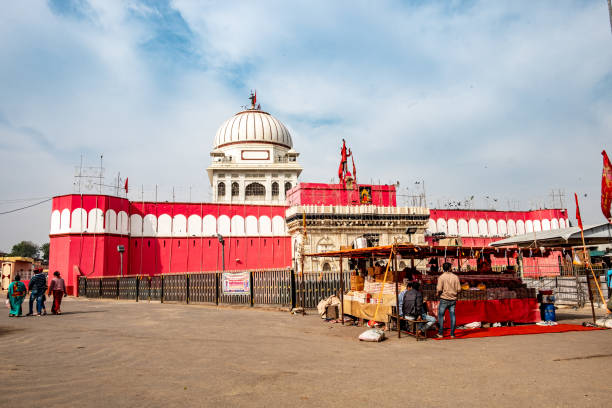
Karni Mata Temple, Deshnok
The celebrated Rat Temple, where thousands of holy rats (kabas) roam freely and are revered as reincarnated devotees — a singular, sacred, and utterly unforgettable experience.
Overnight stay in Bikaner.
Day 7 Bikaner to Jaisalmer
Drive deeper into the Thar Desert to the Golden City of Jaisalmer, where the entire cityscape glows amber in the desert sun. Arrive by evening for a gentle introduction.
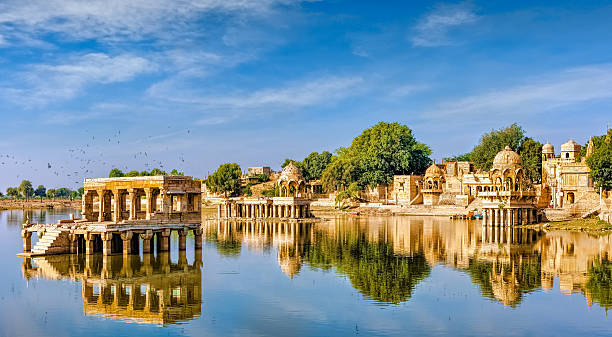
Gadisar Lake
An artificial reservoir built by Maharawal Gadsi Singh in 1367, fringed by ornate ghats and pavilions where migratory birds come to rest at dusk.
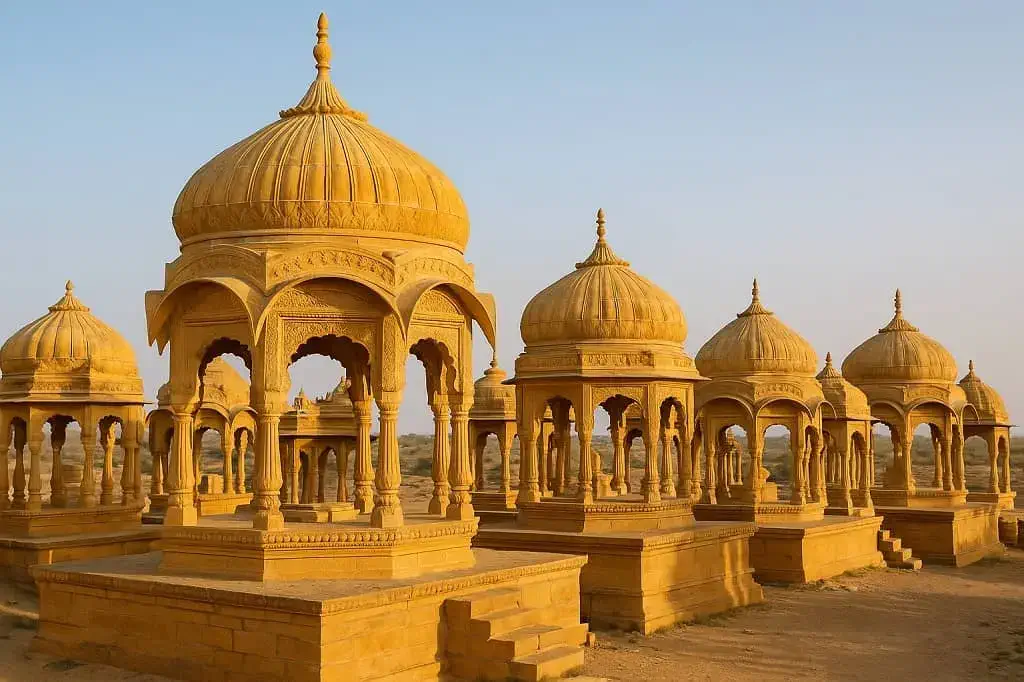
Vyas Chhatri
A hilltop complex of ornately carved cenotaphs built in honour of Brahmin priests, offering sweeping panoramic views over Jaisalmer's golden skyline.
Overnight stay in Jaisalmer.
Day 8 Jaisalmer Desert Experience
The Golden City by day; the vast, silent Thar Desert by night — this is the emotional centrepiece of the entire tour.
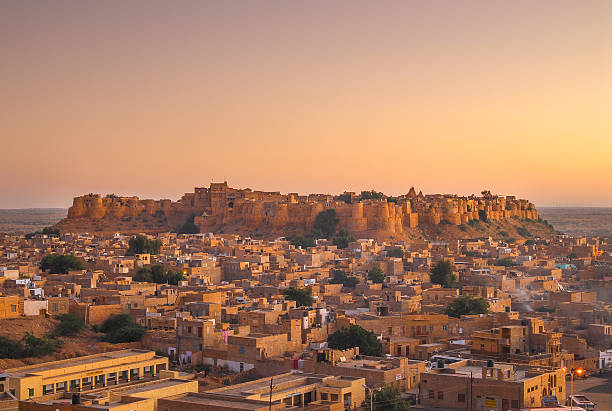
Jaisalmer Fort
A UNESCO-listed living fort of yellow Jurassic sandstone built in 1156, where 3,000 residents still live within walls that glow molten gold at sunset — one of the world's great wonders.
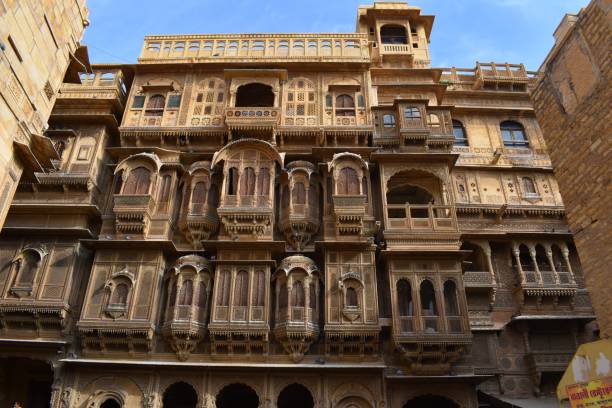
Patwa Haveli
The largest haveli in Jaisalmer, a five-storey merchant mansion with 60 ornate balconies and intricate jali (lattice) façades, built by a wealthy trader family in the 1800s.
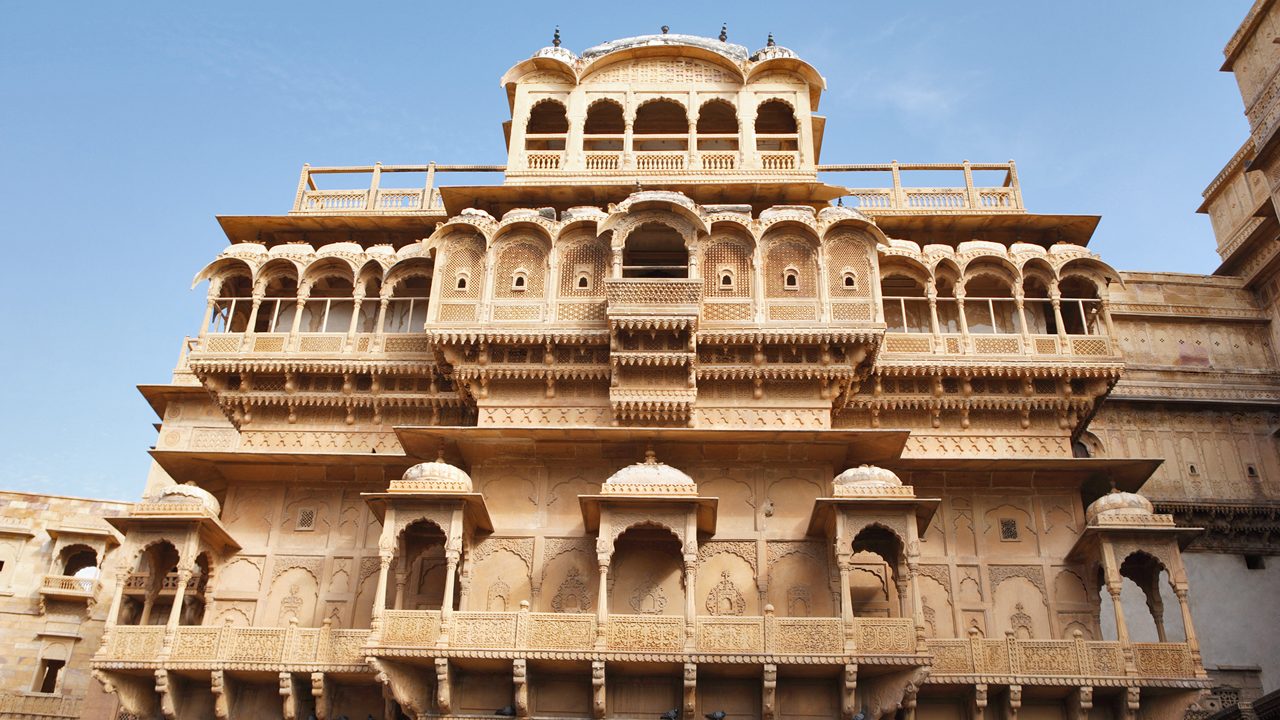
Nathmal Haveli
Built simultaneously by two brothers working from opposite ends, its famously asymmetric façade is a testament to creative rivalry carved in golden sandstone.
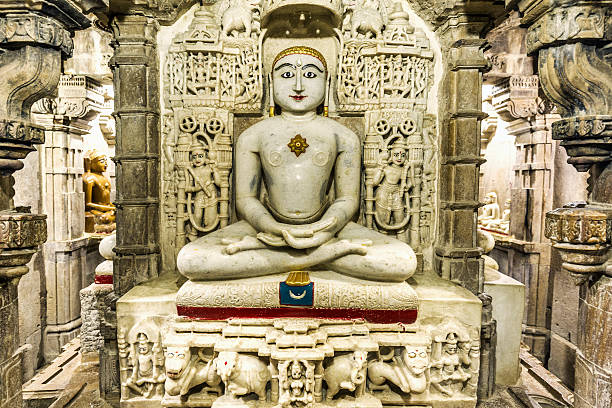
Jain Temples
Seven exquisite Jain temples dating to the 12th–16th centuries inside the living fort, adorned with sculptural detail of extraordinary skill and devotion.
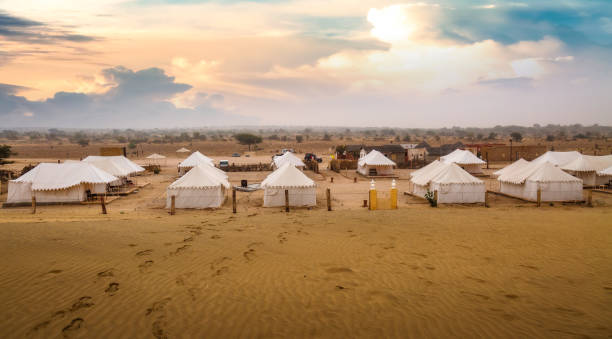
Sam Sand Dunes Desert Camp
As the sun sets over the Thar, mount a camel into the dunes, watch the sky turn flame and violet, then spend the evening with folk musicians, a crackling bonfire, and dinner under the stars.
Overnight stay at Sam Sand Dunes Desert Camp.
Day 9 Jaisalmer to Jodhpur
Return from the golden sands to the Blue City of Jodhpur, where indigo-painted lanes wind beneath the towering walls of Mehrangarh Fort.
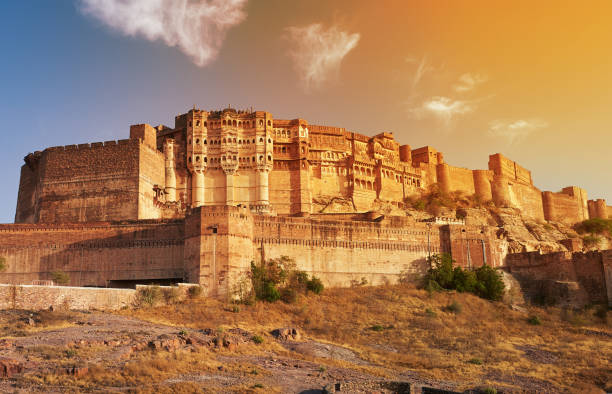
Mehrangarh Fort
Rising 122 metres above the city on a sheer rock face, this 15th-century fort is among the largest in India — its palaces, carved windows, and heritage museum are extraordinary.
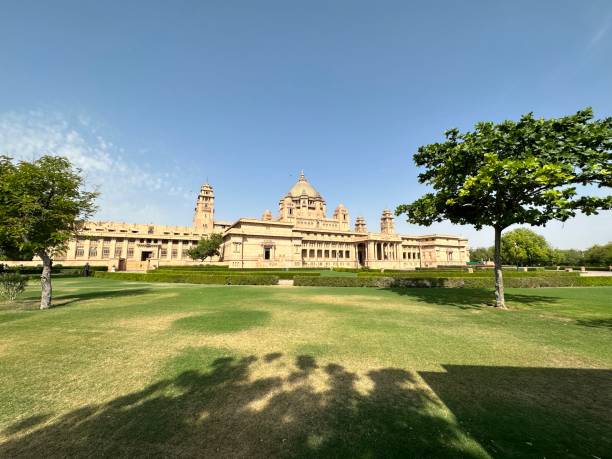
Umaid Bhawan Palace & Museum
Part royal residence, part luxury heritage hotel, and part museum — this sweeping art-deco palace of honey-coloured Chittar sandstone was the last great palace built in India.
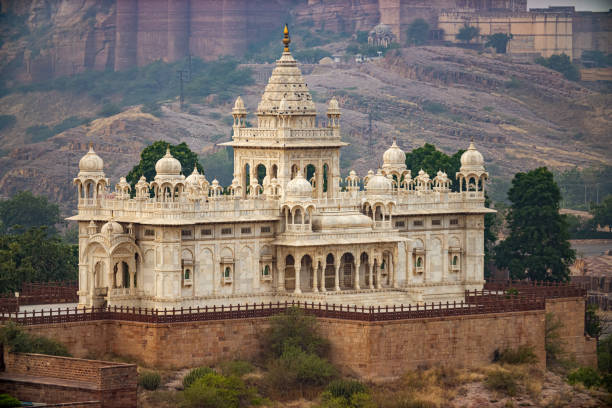
Jaswant Thada
An ethereal white marble cenotaph built in 1899 in memory of Maharaja Jaswant Singh II, its translucent marble panels glowing softly in the afternoon light.
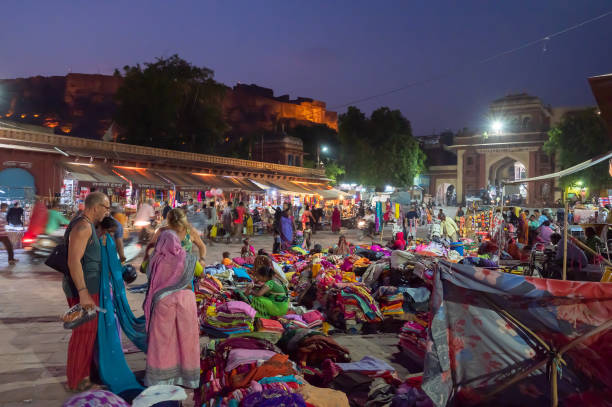
Clock Tower & Sardar Market
The vibrant commercial heart of old Jodhpur — a Victorian clock tower encircled by bazaars selling spices, bandhani textiles, silver jewellery, and Jodhpur's famous mirchi bada.
Overnight stay in Jodhpur.
Day 10 Jodhpur to Udaipur
Complete the journey in Udaipur, the most romantic city in Rajasthan — a city of shimmering lakes, white marble palaces, and timeless Rajput elegance.
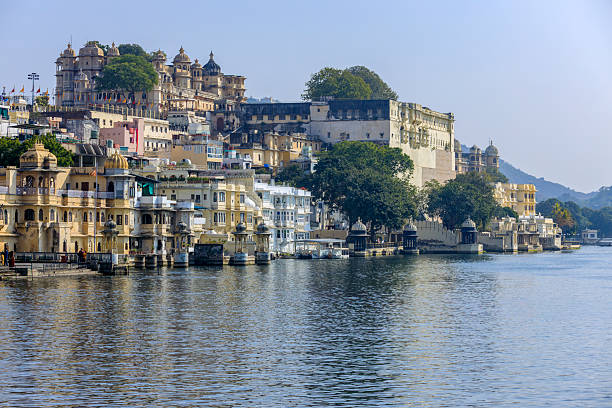
City Palace
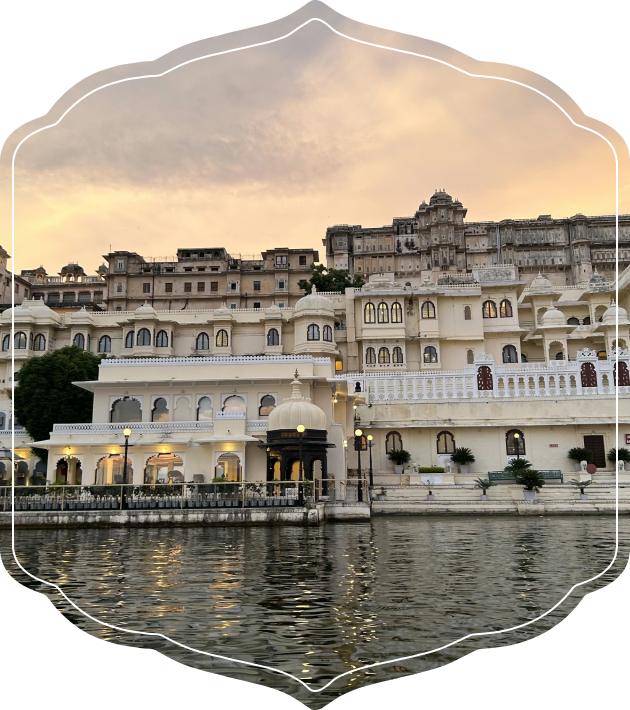
The largest palace complex in Rajasthan, built over 400 years above the banks of Lake Pichola — a vertical city of apartments, courtyards, and museums rising from the water's edge.
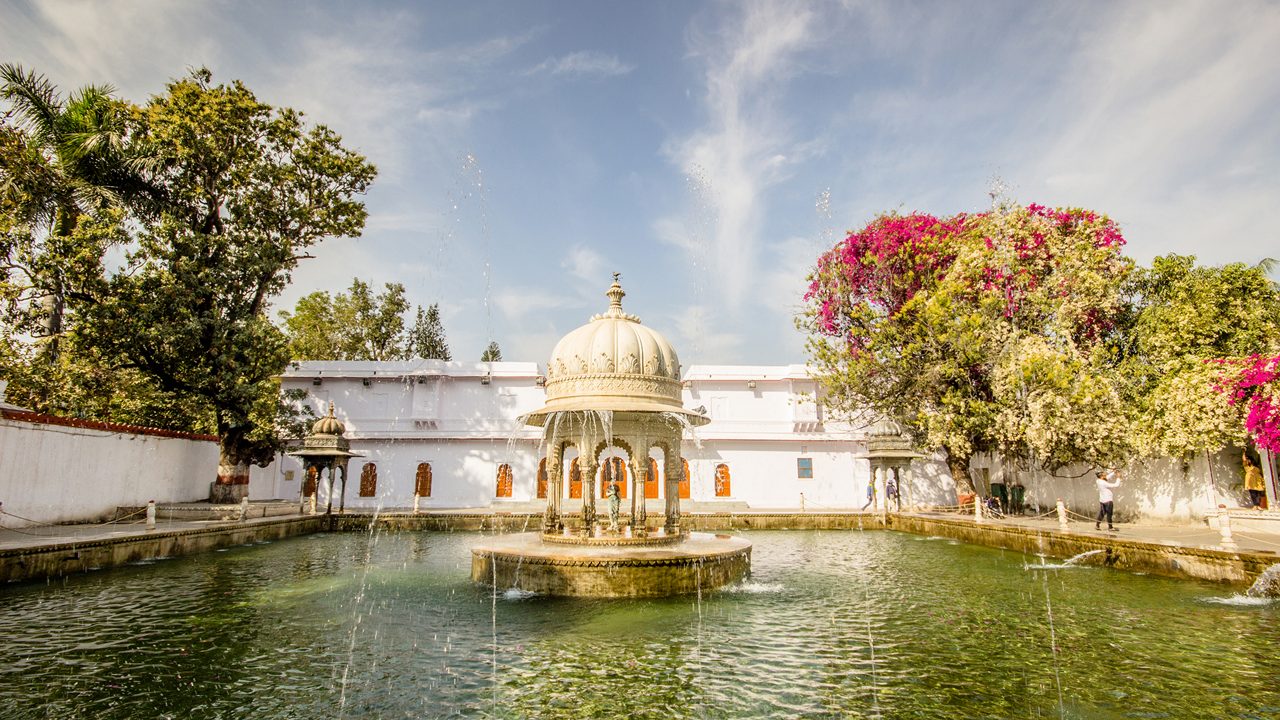
Saheliyon Ki Bari
The Garden of the Maids of Honour, a royal pleasure garden of lotus pools, fountains, and carved marble kiosks built for the queen's companions.
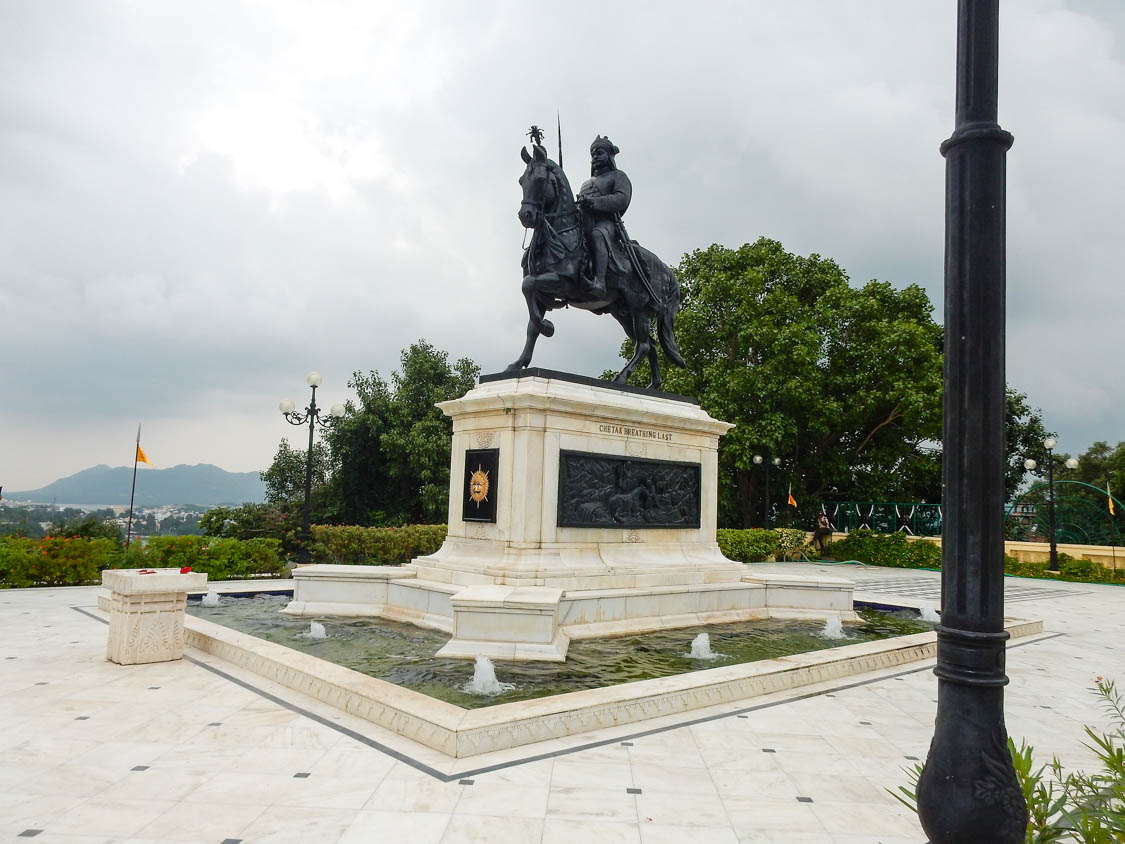
Pratap Smarak
A commanding equestrian statue of Maharana Pratap, the great warrior king of Mewar, set against sweeping views of Fateh Sagar Lake and the Aravalli hills.
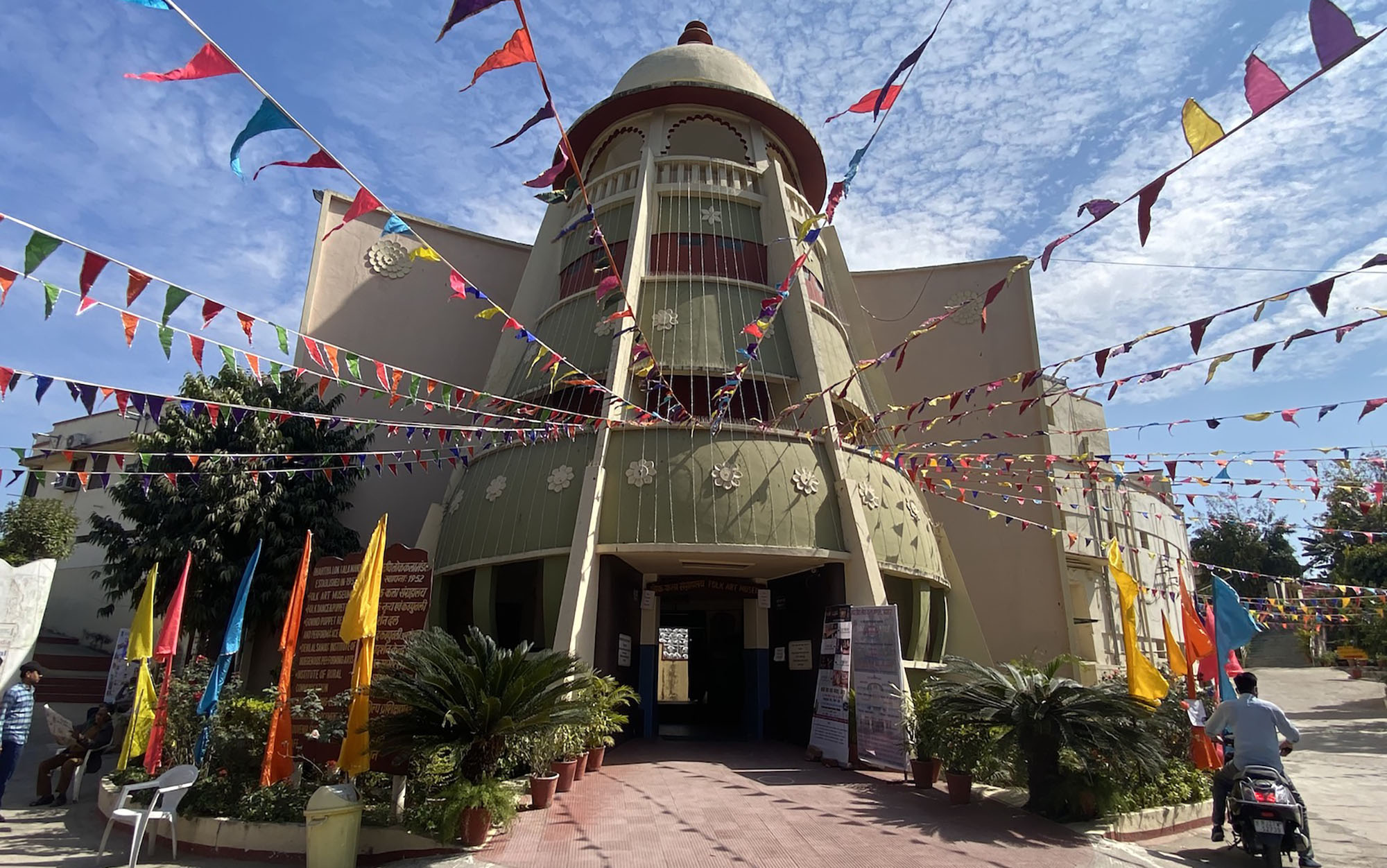
Shilpgram & Lok Kala Mandal
A living rural arts and crafts village paired with a folk museum celebrating Rajasthan's tribal costumes, puppets, and musical traditions through live performances.
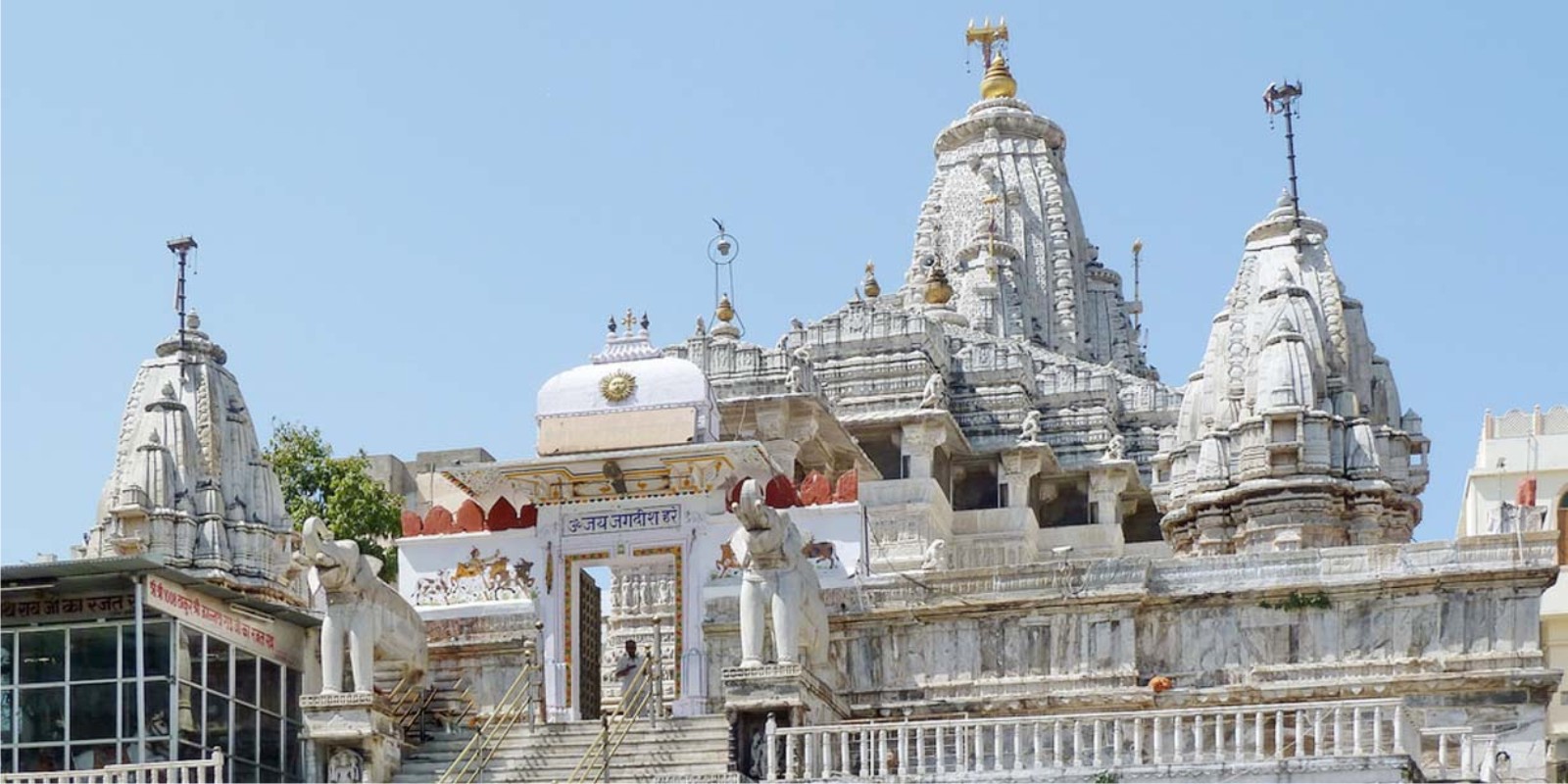
Jagdish Temple
A magnificent 17th-century Indo-Aryan temple dedicated to Vishnu, its towering shikhara (spire) carved with scenes from the Hindu epics — a spiritual landmark of Udaipur.
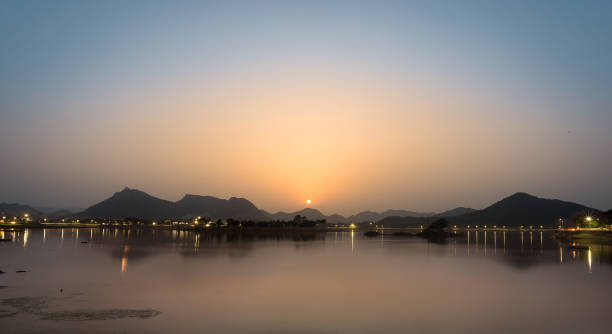
Fateh Sagar Lake
A serene artificial lake framed by the Aravalli hills, ideal for a peaceful evening boat ride as the sun descends behind the ridge.
Overnight stay in Udaipur.
Day 11 Udaipur Departure
Travel Tips
01 - Hotel Check-In & ID
Carry a valid photo ID (Aadhaar, Passport, Voter ID, or Driving License). Foreign guests must carry a passport and visa. Check-in: 12 PM | Check-out: 10 AM.
02 - Best Time to Visit
October–March is ideal. Winter nights can be cold, while April–June is hot but less crowded.
03 - What to Pack
Light clothing for the day and a warm layer for evenings. Dress modestly at religious sites.
04 - Cash & Payments
Cards and UPI are widely accepted, but keep ₹2,000–3,000 cash for small shops and remote areas.
05 - Getting Around
All transportation is included as part of your tour, with carefully planned schedules to ensure a comfortable and hassle-free journey.
06 - Shopping
Popular items include textiles, blue pottery, jewellery, juttis, and paintings. Bargaining is common in local markets.
07 - Food & Dietary Needs
Vegetarian, Jain, and special dietary meals are available with advance notice.
08 - Connectivity
Good mobile coverage in cities; limited in remote desert areas. Wi-Fi is available at most hotels and camps.
09 - Health & Safety
Stay hydrated, use sunscreen, and carry personal medications. Rajasthan is generally safe for travellers.
10 - Photography
Photography is allowed at most attractions. Some sites may charge a camera fee. Ask permission before photographing people.
11 - Tipping
Tipping is optional but appreciated. Drivers, guides, and hotel staff are usually tipped based on service.
Why Book With Us

Certified Guides

100% Safe Tours

24/7 Support

Best Price Guarantee

Free Cancellation

No Hidden Charges

Heavy Discounts

Verified Hotel Stays